Osmond Resources — homeASX: OSM · Orión Project

Minerals Hub / Mining & Production

Pillar · 03 of 09

Mining & Production

Everything in this pillar happens to the rock itself. It runs the length of the physical chain — finding a deposit and proving what is in it, taking the ore out of the ground, sorting the valuable grains from the worthless ones, converting them into chemical products, and returning the land afterwards.

These stages belong together because each one is a constraint on the next, and none of them can be understood alone. What a drill programme measures determines what testwork can establish. What testwork establishes determines what flowsheet is worth building. What the flowsheet produces determines which refiner, on which continent, is able to accept the material at all. Read backwards, the same chain is stricter still: a buyer's specification reaches back through refining and separation to the mineralogy of individual grains, and a deposit that fails that specification fails it in the ground, years before anyone attempts to sell from it. Rehabilitation belongs in the same sequence rather than at the end of it, because in an operation whose face advances across ground, land is being restored while ore is still being mined.

The mineral set gives that chain a specific character. Heavy-mineral separation is physical rather than chemical: grains are sorted by density, magnetic response and conductivity, and leave the plant as the same minerals that entered it. The chemistry begins later and elsewhere — in pigment plants, in the reduction of titanium to metal, in the solvent-extraction trains that pull rare earths apart, and in the separation of hafnium from zirconium, where two elements that behave almost identically have to be told apart.

Current practice is the subject: the disciplines, methods, equipment and standards the industry uses today, and the reasoning by which an operation chooses among them. Methods not yet in commercial service belong to Innovation & Technology.

  • 8sections
  • 8populated
  • 24articles
Preliminary testwork, not a production specification. The path from result to target runs through PFS-level work whose outputs await compliant disclosure.

The client's structure · 8 sectionssolid = populated · dashed = no articles yet

Exploration

9 articles

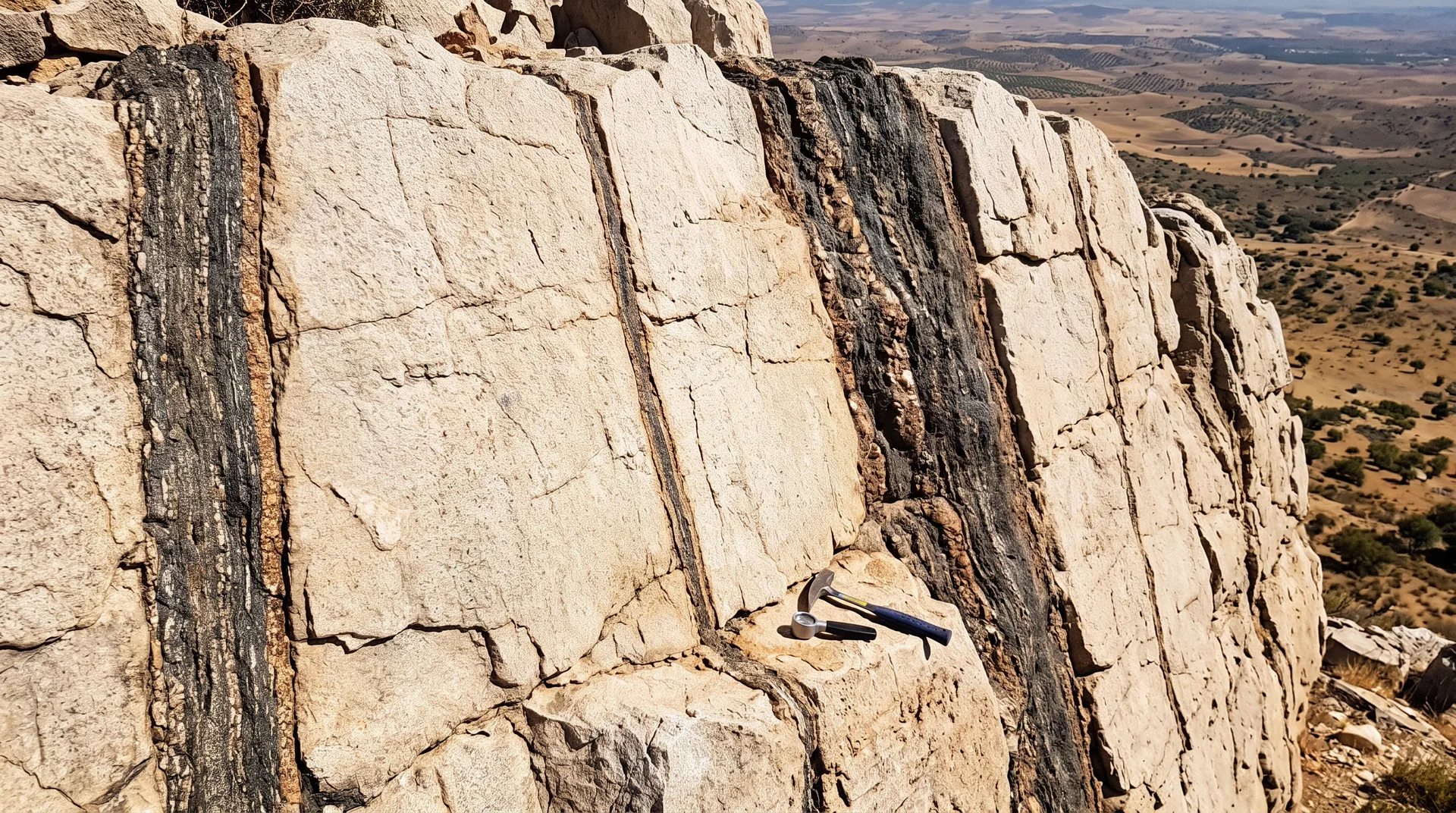
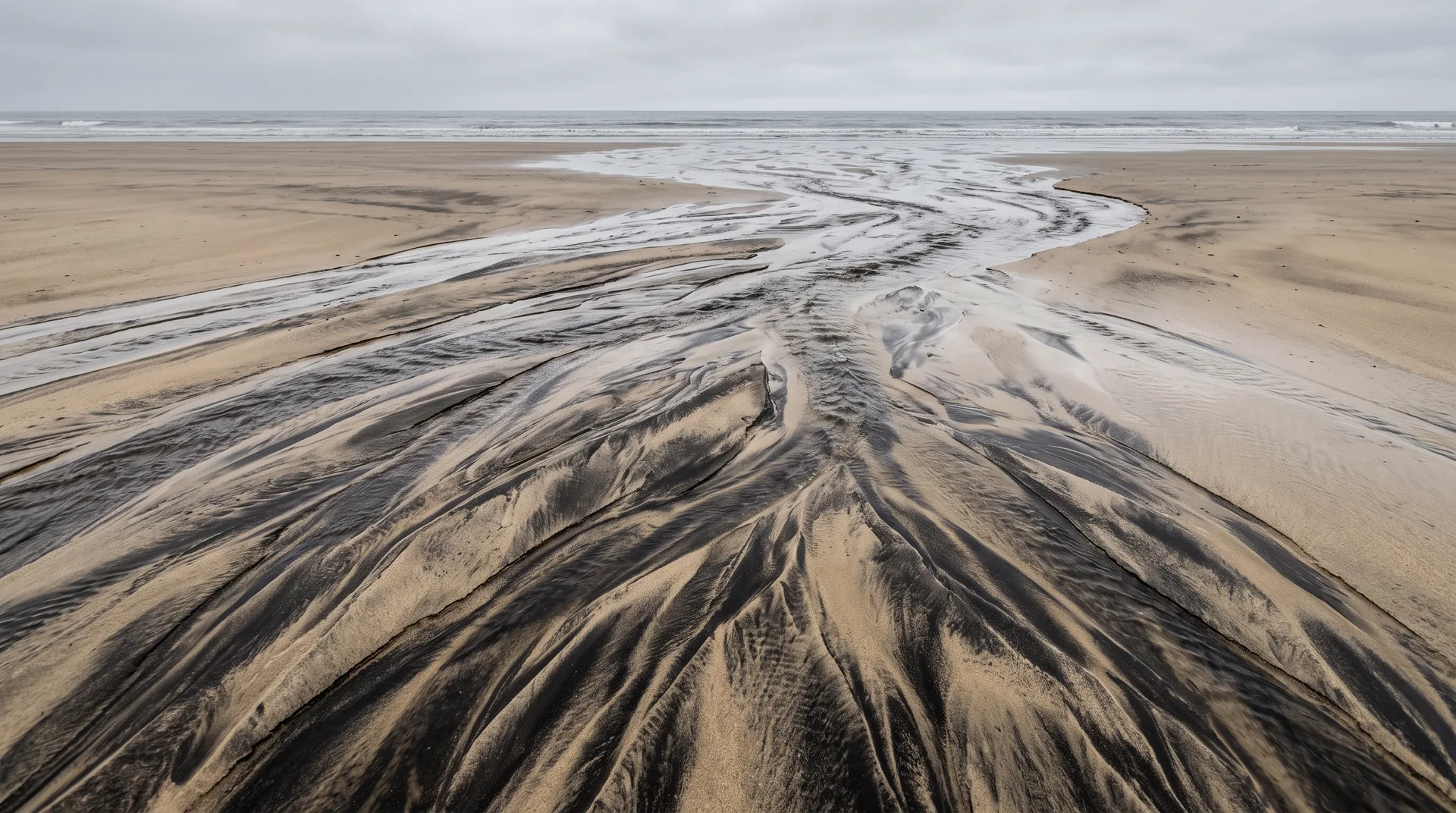
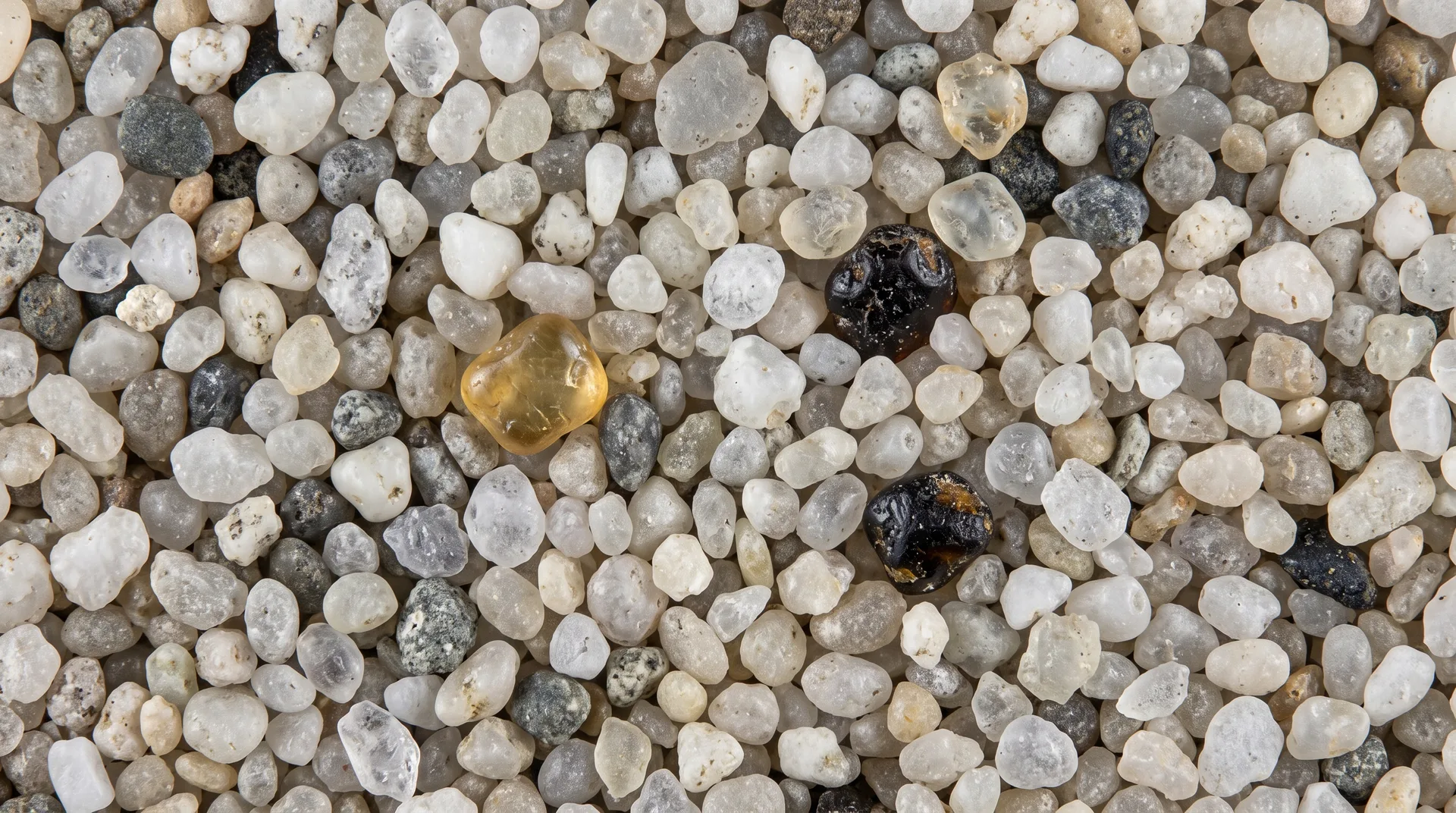
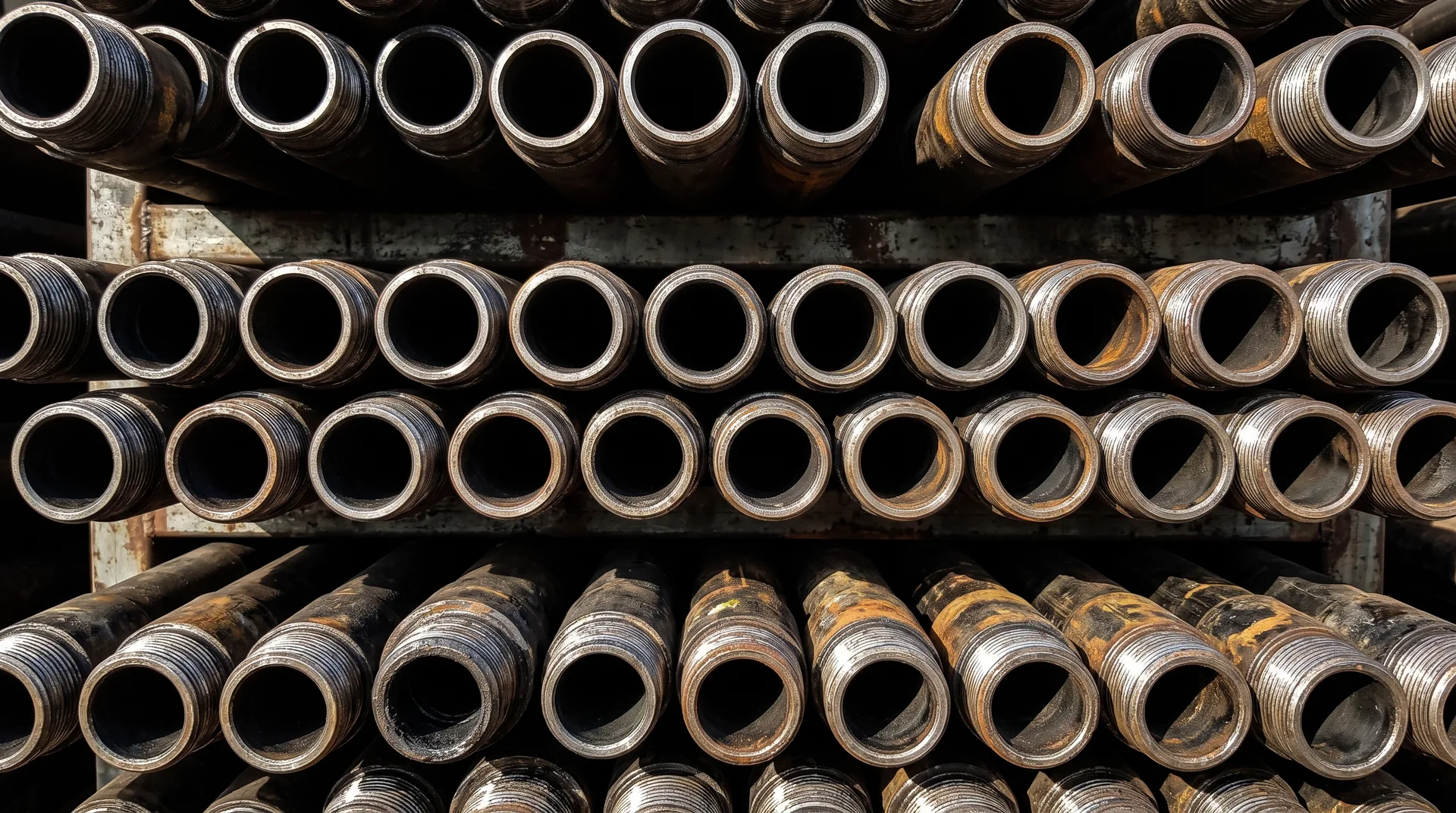
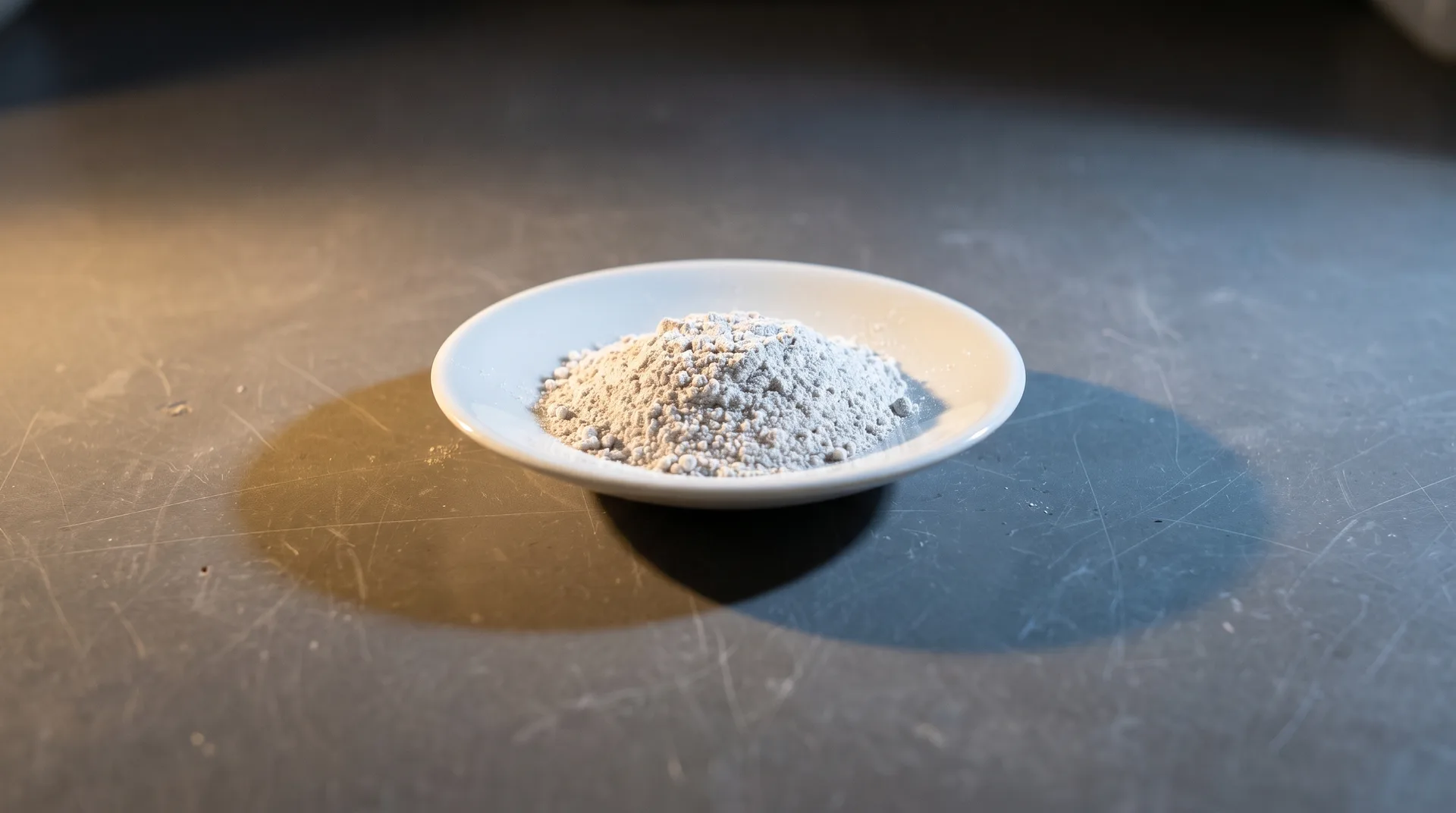
A wide upland of dry grass and pale limestone, ridges receding into haze under a bright overcast sky.RutileOrión Project OverviewA lithified heavy-mineral placer in southern Spain — what has been measured, who holds it, and what the exploration programme has not yet produced.7 min readA pale rock face crossed by dark vertical bands, with a geological hammer and hand lens resting on a ledge below them.RutileReading the Orión seams: what the heavy-mineral layers tell usOrión's heavy minerals are sorted into dense layers within the quartzite — and reading those layers is where its zircon story begins.6 min readA short cylindrical drill bit on a dark surface, its cutting crown studded with coarse metallic grit and its steel body heat-tinted.RutileFrom outcrop to 187.8 metres: what the maiden drilling foundOsmond's first holes turned a mineralised outcrop into a downhole discovery — rutile-rich, with a step-out nearly ten kilometres away that Osmond interprets to correlate.5 min readA mid-century portable survey instrument with a leather carry strap, coiled fabric cable and cylindrical probe, resting on a concrete floor.RutileExplored for uranium. Worked for lead. Not, on the record, for titanium.A historic lead mine sits inside the permit and mid-century prospectors once explored here for thorium and uranium — but everyone walked past the sands that matter now.3 min readA row of small capped glass vials holding different sands and granules, with two standing empty among them.GarnetPresent, but not yet quantified: garnet and titanite in the sandsTwo minerals sit inside Osmond's definition of the Orión heavy-mineral assemblage — yet neither has ever been given a grade. Here's why that gap is the honest answer.5 min readA wide beach at low tide, dark streaks of heavy sand fanning in braided lines across pale flats toward a grey sea.RutileWhat a lithified placer actually isOrión is an ancient beach turned to stone — which is a specific kind of deposit with a specific geological meaning worth unpacking.4 min readA close view of densely packed pale sand grains, with a single amber grain and two dark ones scattered among them.XenotimeThe accessory suite: xenotime, allanite and the trace rare earthsBeyond monazite, Orión's assemblage names a handful of minor rare-earth minerals — quantified only in bulk samples, and honest about how little that says.4 min readRacked steel drill rods stacked in rows and seen end-on, their threaded collars catching light against dark bores.ZirconZircon at Orión: the exploration results to date, and the EU supply picture they sit inOsmond's zircon numbers from Jaén are exploration results, not a resource — here is what has actually been sampled, what preliminary metallurgy has achieved, and the European market context they sit alongside.12 min readA single small porcelain dish of fine pale powder on a plain bench, lit from opposite sides so it casts one warm and one cool shadow.—Why one assay can be reported as two different gradesA practical decoder for the units and bases behind a reported grade: percent and ppm, oxide and element, TREO and MREO, THM, cut-off, grade × thickness and true width.5 min read

Mining Methods

1 article

Ore Processing

4 articles
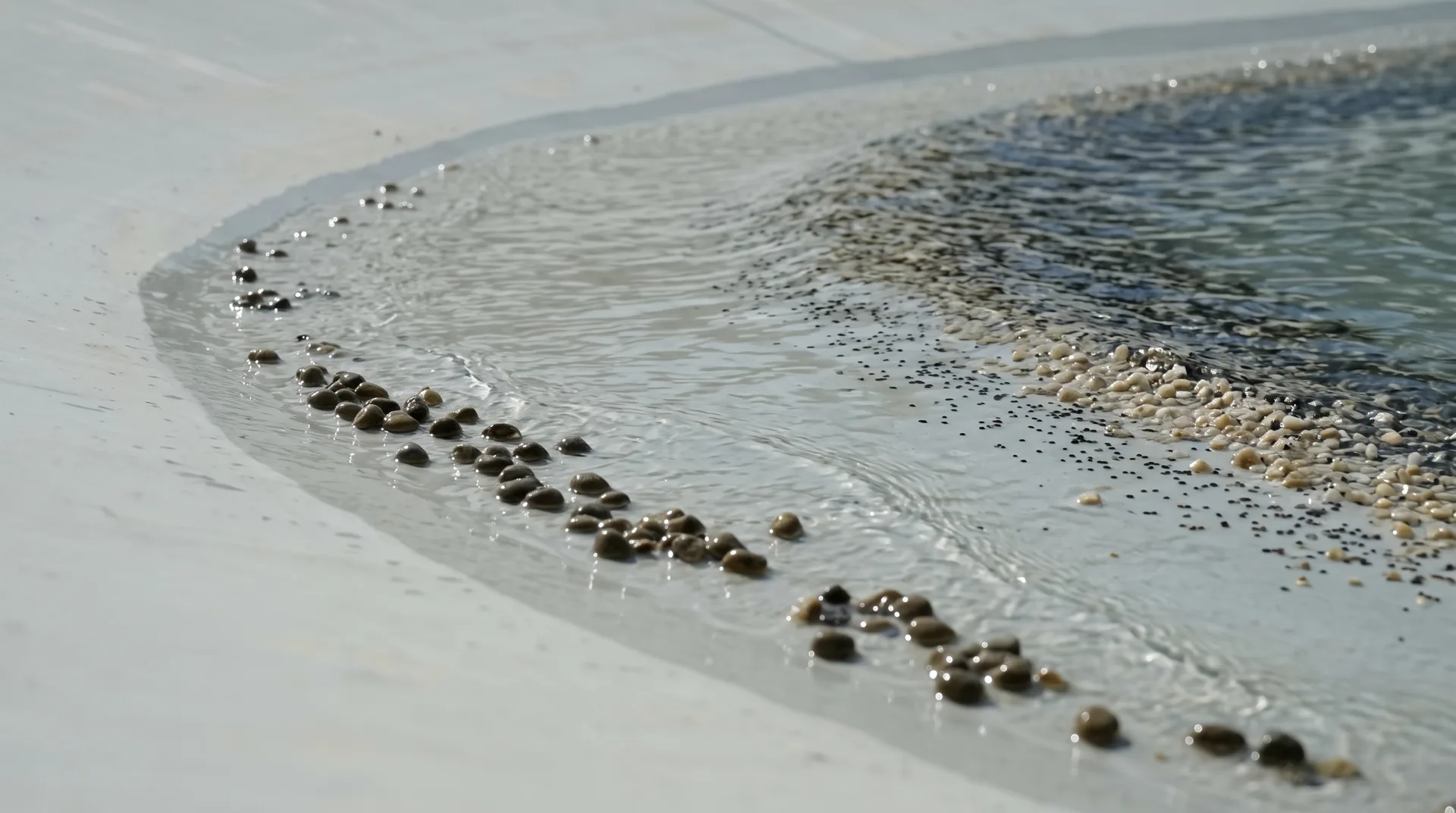
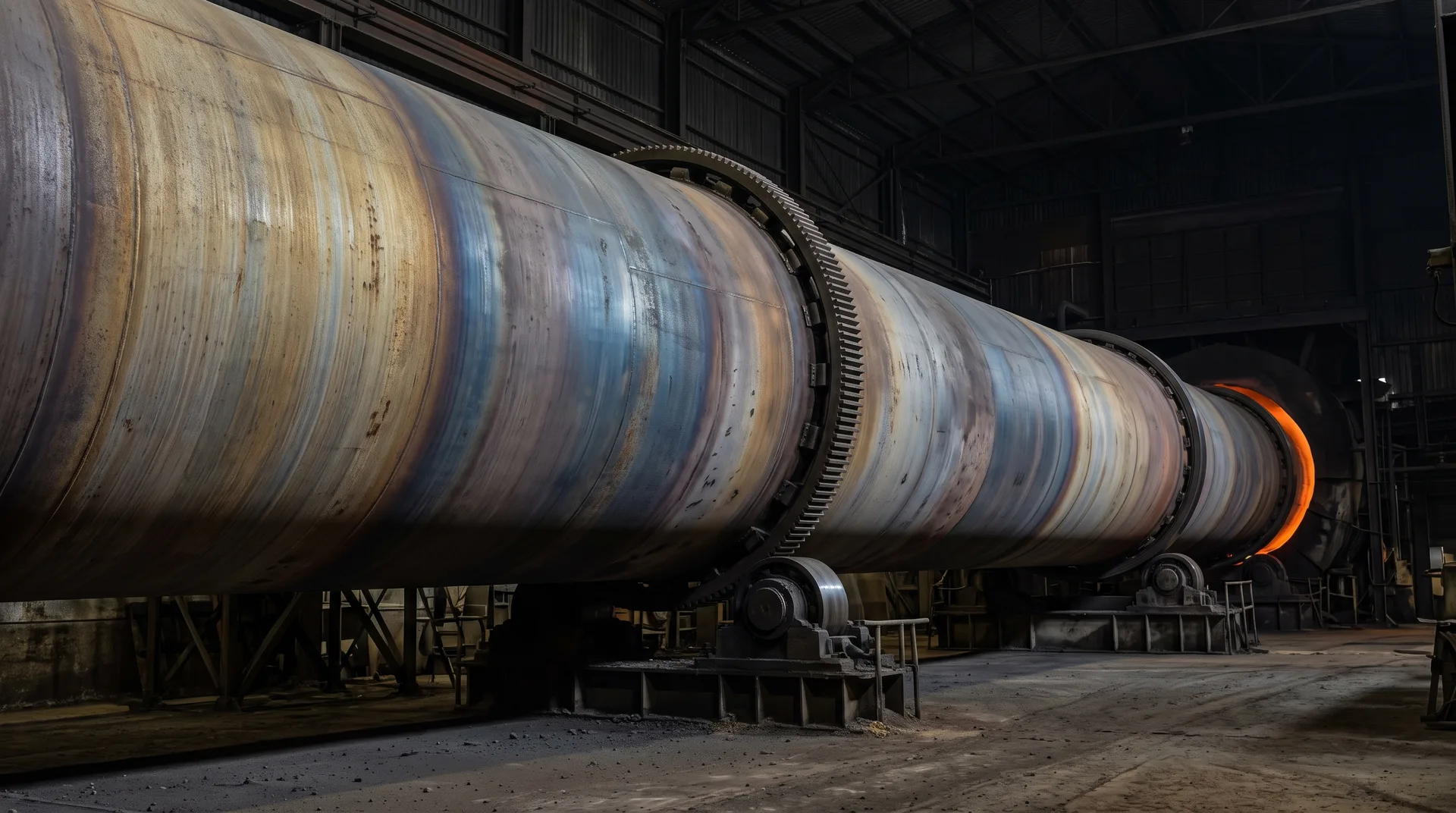
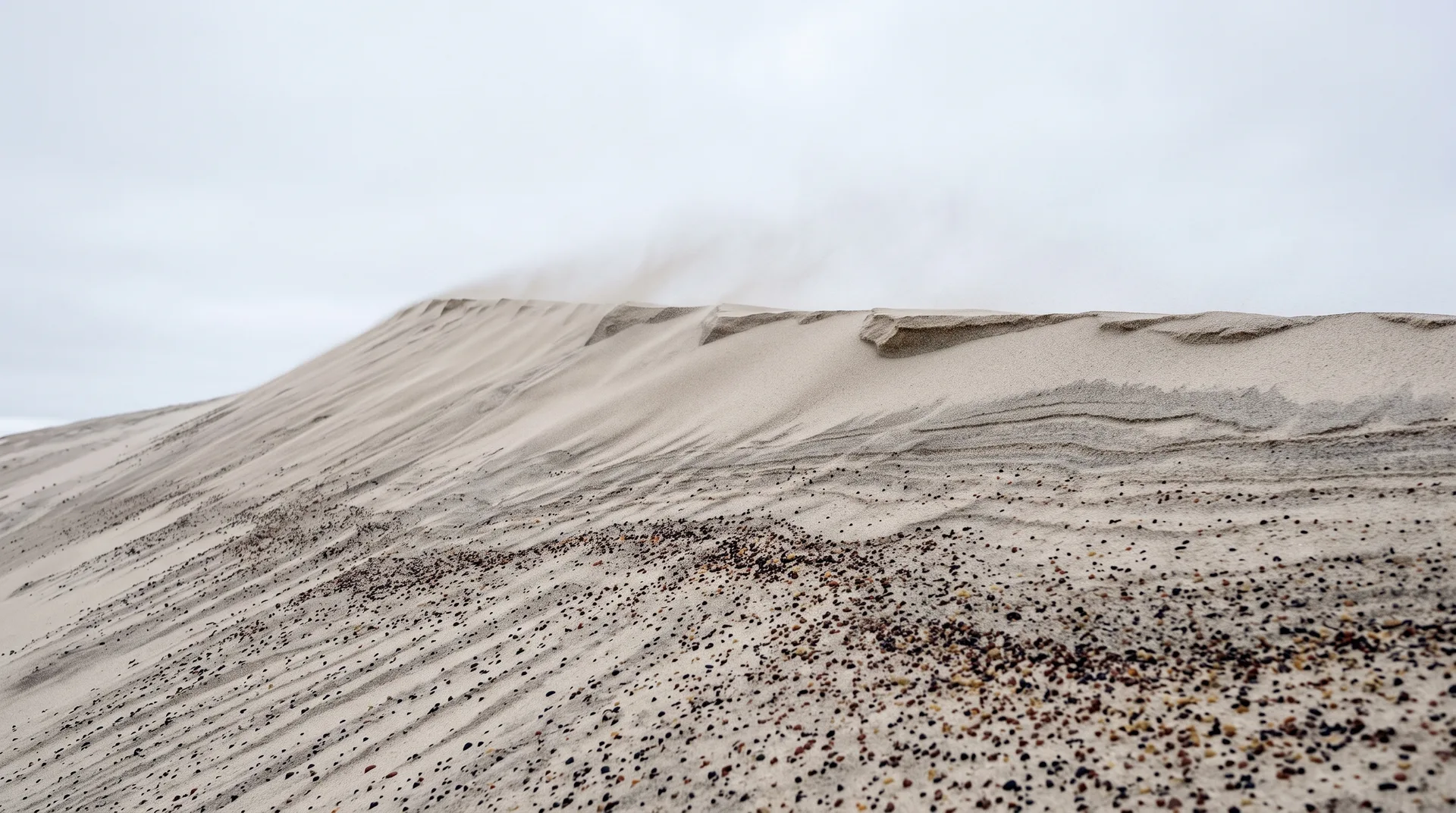
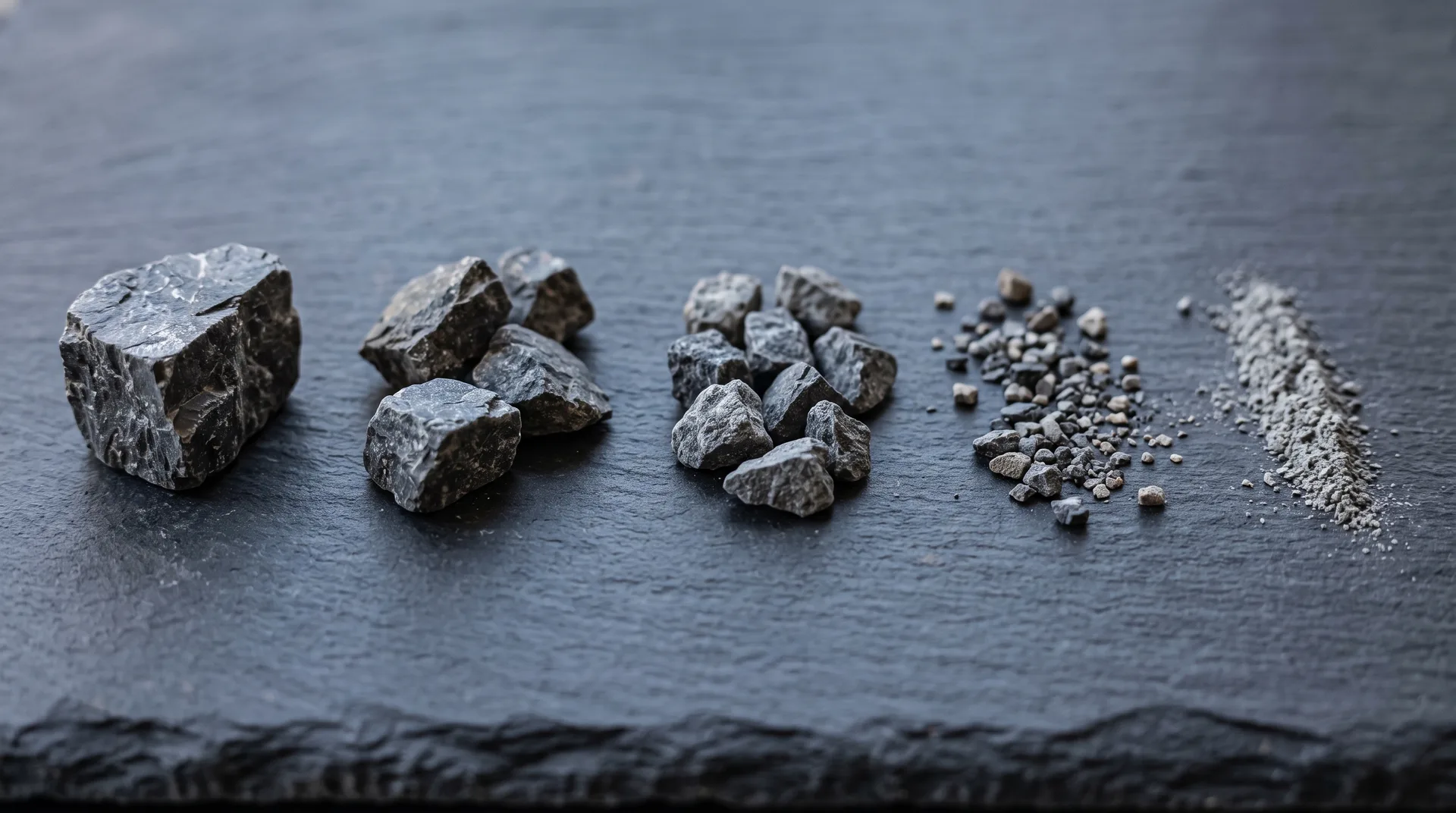
A large inclined rotary kiln in a dark industrial hall, its heat-tinted steel shell running away to a glowing discharge end.RutileRutile vs ilmenite: why the split mattersThey're both titanium minerals, but one is far richer in titanium than the other — and which one a deposit favours changes the whole picture.4 min readLow view of a dune crest, a veil of pale sand streaming off it in the wind, ribbons of mixed dark grains lying on the slope below.RutileWaves and wind did the first round of mineral sortingRivers carry weathered minerals to the coast, where waves, tides and wind sort them by size and density and leave several valuable minerals mixed together in one sand.5 min readFive groups of broken dark grey rock in a row on slate, from one angular block through smaller pieces, gravel and grit to a thin line of dust.—Why ore is crushed and ground in stagesNo single machine takes hard rock from boulder to fine powder, so hard ore passes through a sequence of crushers and mills, each built for one band of sizes.5 min readA thin sheet of water sliding over a smooth pale curved surface, dark grains rolling along its shallow edge, coarse pale and fine dark grains in deeper water.—A spiral sorts by density, and grain size gets in the wayA spiral concentrator separates heavy grains from light ones on a film of flowing water, but the same flow also responds to grain size, which is one reason spiral feed is sized, and slimes are removed first.5 min read

Refining

1 article

Metallurgy

2 articles

Processing Technology

4 articles
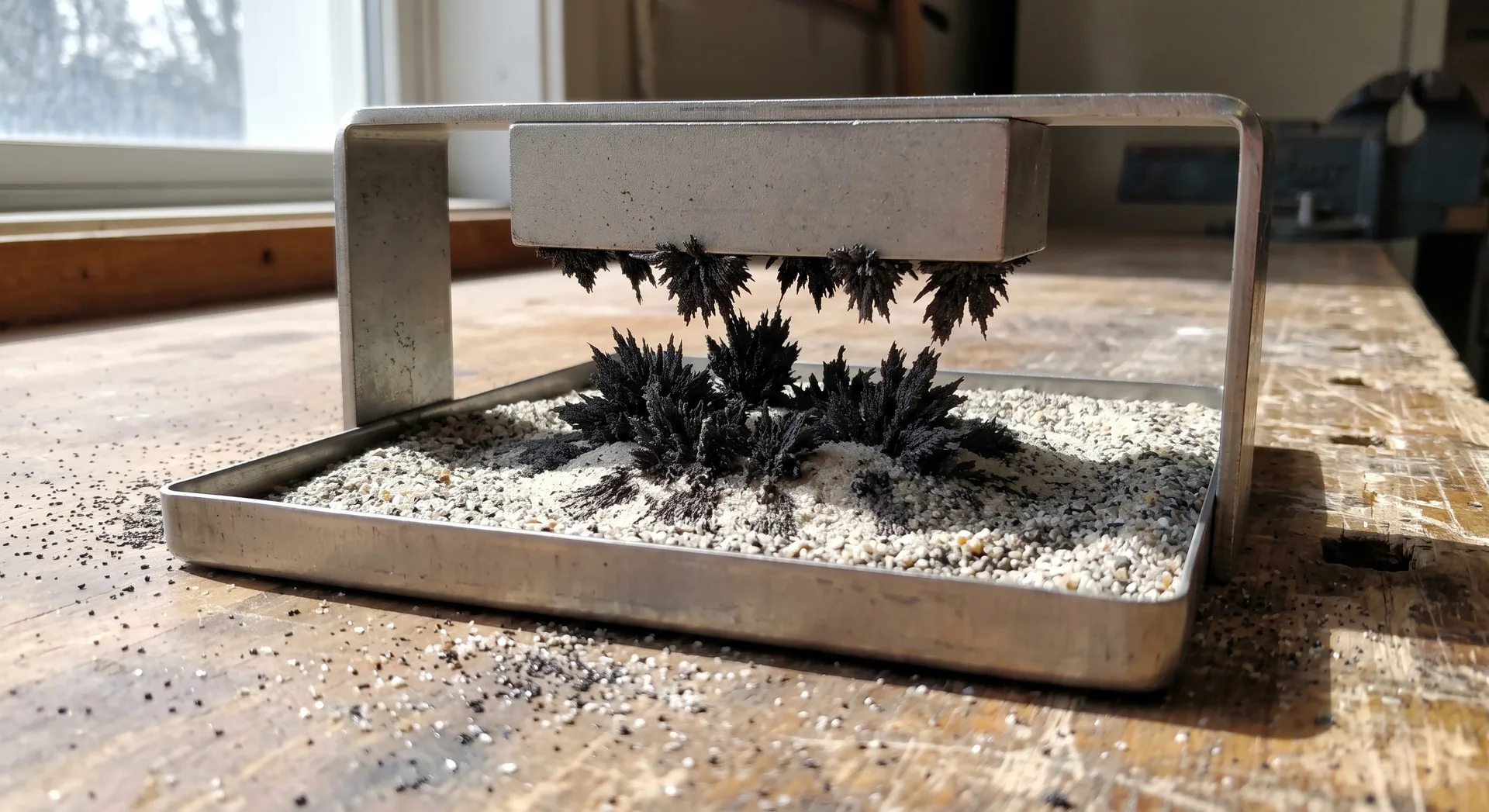
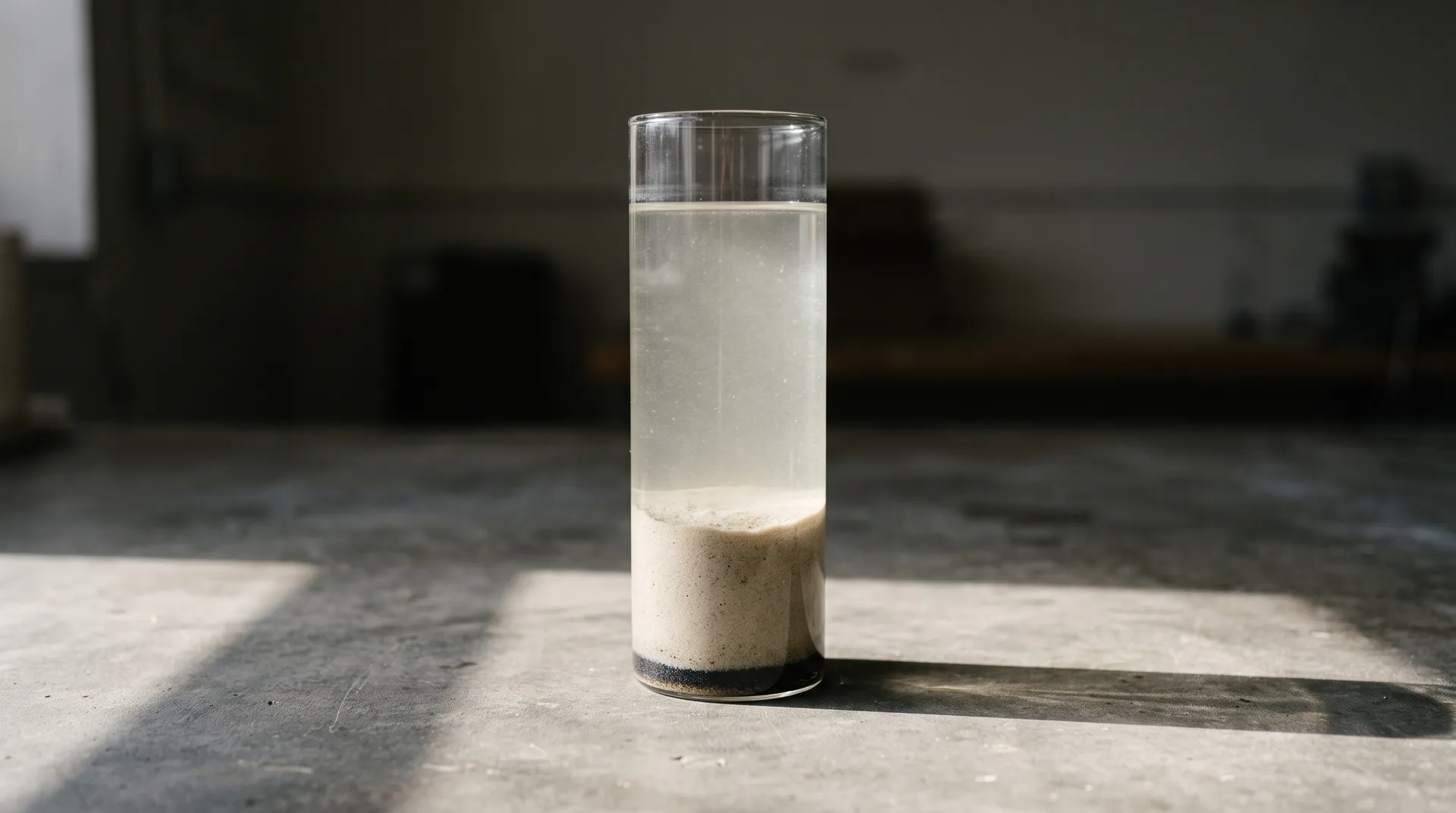
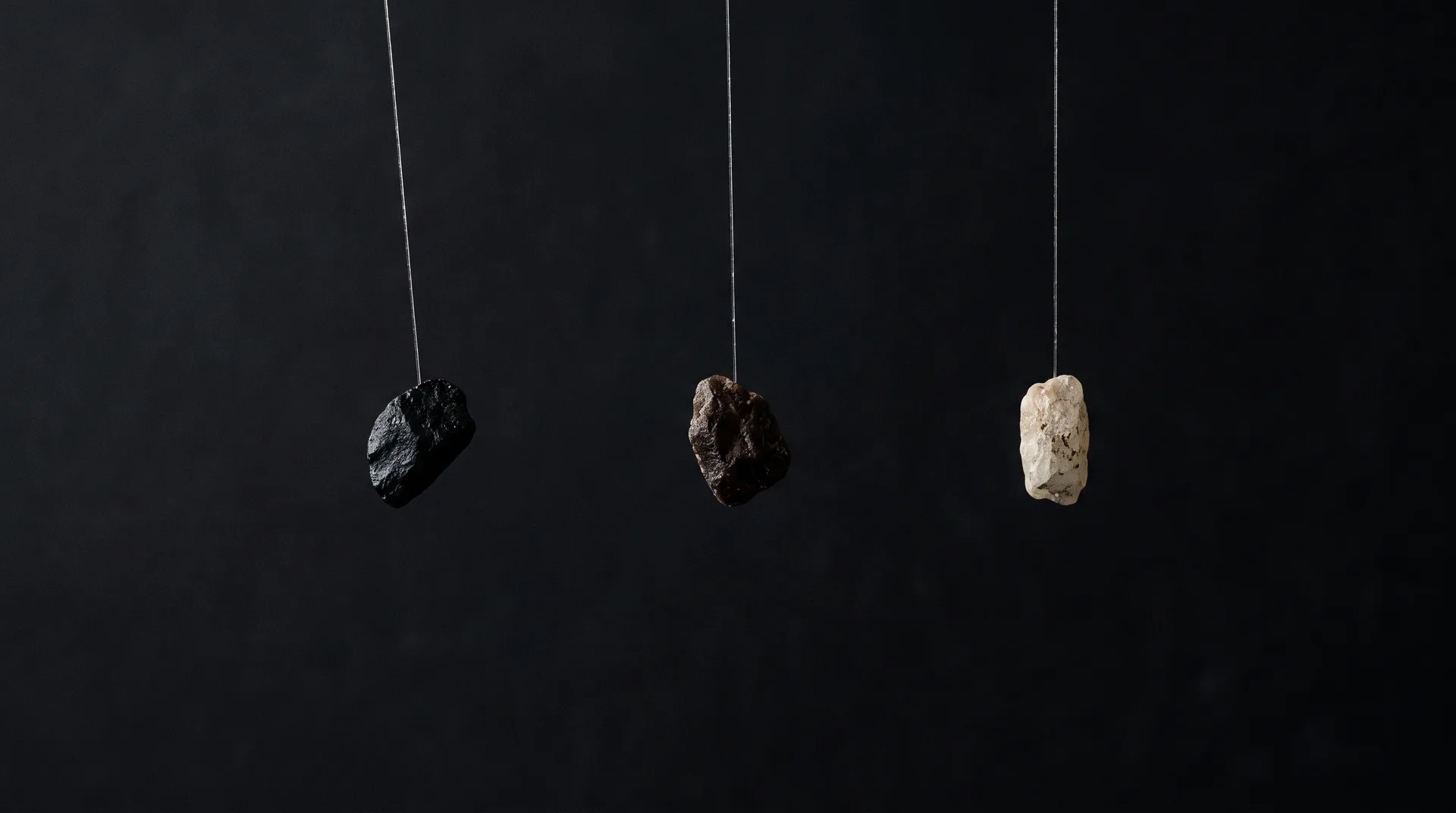
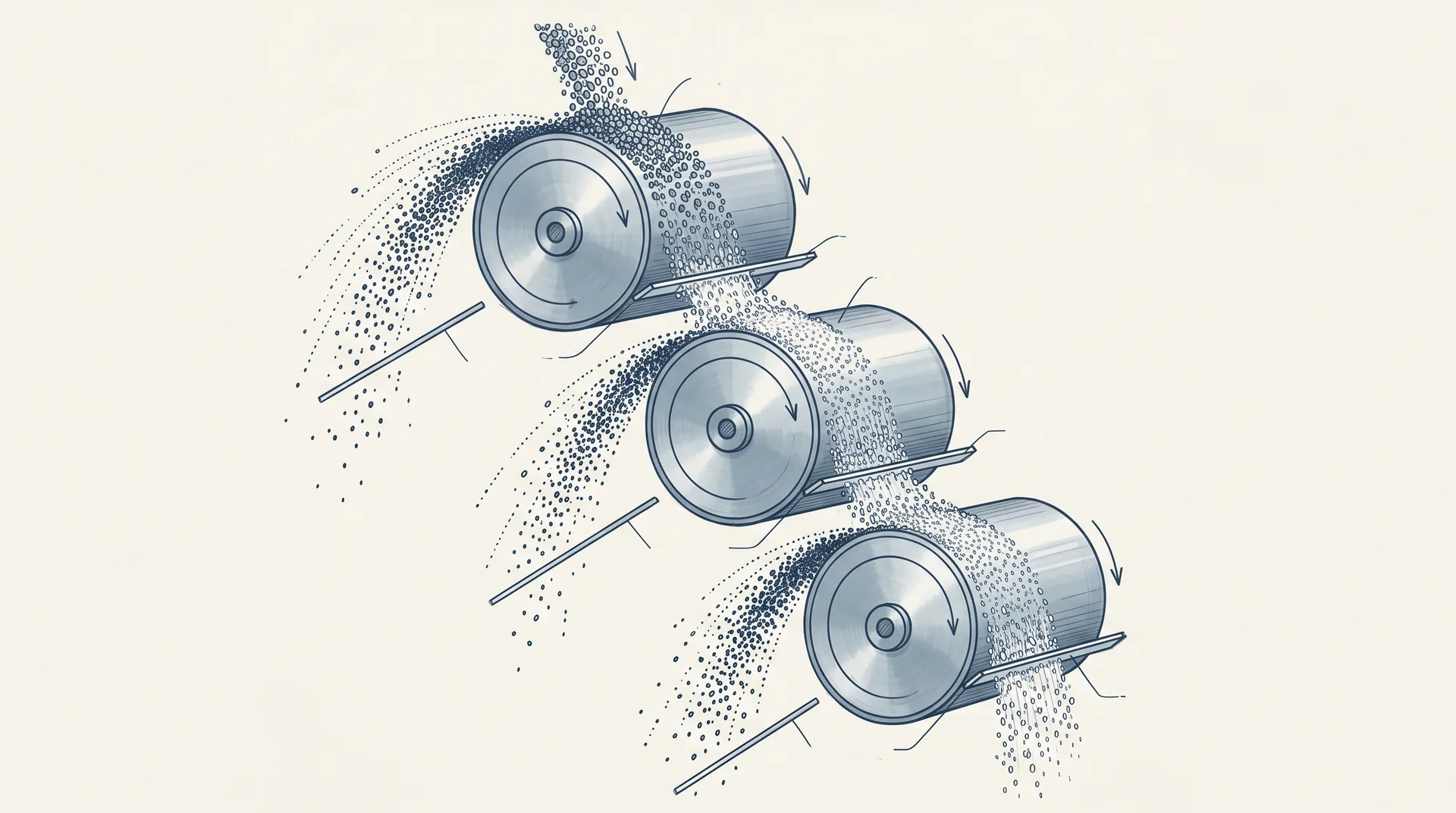
Dark grains standing in spiky clusters from a tray of pale sand toward a magnet suspended above it, the sand beneath visibly paler.RutileHow two properties sort four mineralsThe dry mill separates a heavy-mineral concentrate on magnetism and conductivity — and this particular assemblage happens to occupy four different places in that grid.6 min readA tall clear glass cylinder of water on a bare grey bench, pale sand settled deep inside it above a thin, sharp layer of near-black grains.IlmeniteWhy mineral-sands operations usually concentrate before they separateProducers and regulators usually describe two plants in sequence: a wet concentration plant that strips sand and clay from the ore, and a mineral separation plant that splits what is left into products.5 min readThree mineral grains hanging on fine threads against a dark background, a black grain pulled well aside, a brown one slightly, and a pale one hanging straight.IlmeniteMagnetic separation matches field strength to the mineralA magnetic circuit can sort a heavy-mineral concentrate by how strongly each grain answers a field, and can take the most responsive first, raising the field for the rest.5 min readDrawing of three smooth rolls in a descending cascade, dark grains flung off each in a wide arc while pale grains cling and drop to the next.RutileHow a charged roll splits conductors from non-conductorsA high-tension separator charges every grain and then lets the conductors give their charge away, which sends grains that behave as conductors (rutile, ilmenite) one way and non-conductors (zircon, monazite) another.5 min read

Mine Automation

1 article

Rehabilitation

2 articles

Minerals in this pillar

MonaziteXenotimeAllaniteZirconRutileIlmeniteGarnetTitanite