Minerals Hub / Mining & Production / Waves and wind did the first round of mineral sorting
Mining & Production · Rutile · 5 min read
Waves and wind did the first round of mineral sorting
Rivers carry weathered minerals to the coast, where waves, tides and wind sort them by size and density and leave several valuable minerals mixed together in one sand.
Reviewed by Peter Uppal
The short version
The USGS deposit model says coastal heavy-mineral sands are formed by the physical-mechanical concentration of bedrock minerals freed by weathering. The same model describes waves, tides, longshore currents and wind as effective mechanisms for sorting the mineral grains on the basis of differences in their size and density. On this publication's reading, a sorting process that responds to size and density gathers several chemically different minerals into one sand, and taking that mixture apart again is the processing plant's job.
A long way from the source rock
The process begins inland, where high-grade metamorphic and igneous rocks that contain heavy minerals weather and erode. In its general description the USGS model widens the list of contributors to igneous, metamorphic, and sedimentary rocks. The broken-down material then travels: streams and rivers carry the detritus to the coast.
Geoscience Australia describes the same process. In its account, over millions of years the source rocks were weathered and eroded, and the harder minerals including quartz were washed down to the sea by heavy rainfall and fast flowing streams.
Which minerals arrive intact depends on how durable they are. The USGS model states that the economic heavy minerals in coastal deposits are particularly durable and resistant to chemical breakdown, and thus they survive the turbulent journey from the bedrock source area to the coast. Geoscience Australia describes rutile, ilmenite, zircon, garnet, magnetite, diamond and monazite as hard minerals that are resistant to weathering.
Geoscience Australia's own sentence has quartz arriving at the sea alongside them. What parts the two groups at the coast is a difference in size and density.
How heavy is heavy
The USGS model gives the working line: heavy minerals are generally defined as dense minerals that have a specific gravity greater than 2.85. The USGS glossary adds, for comparison, that quartz has a specific gravity of approximately 2.65. Differences in density of that kind, along with grain size, are what the shoreline works on.
The beach as the first separator
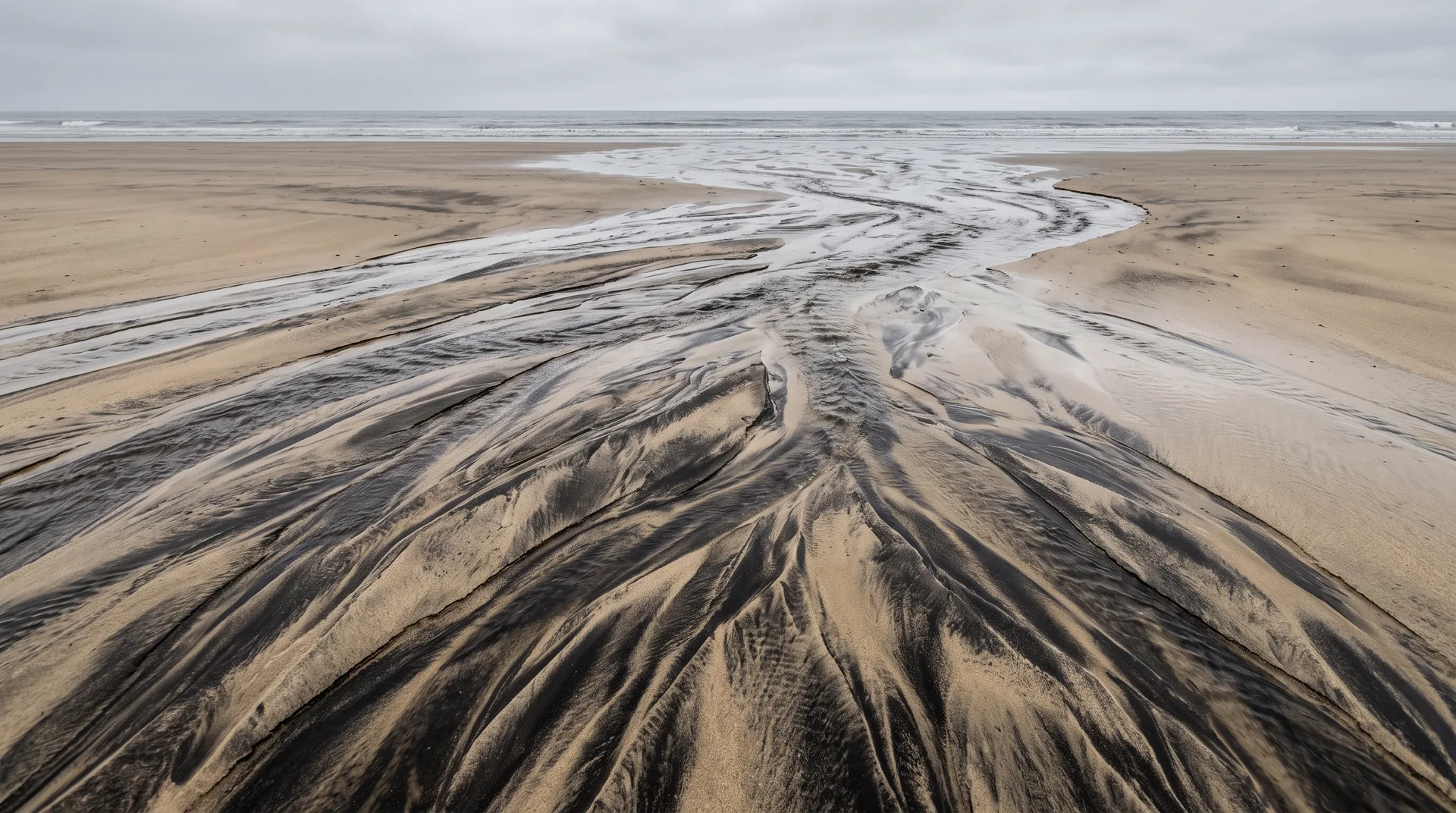
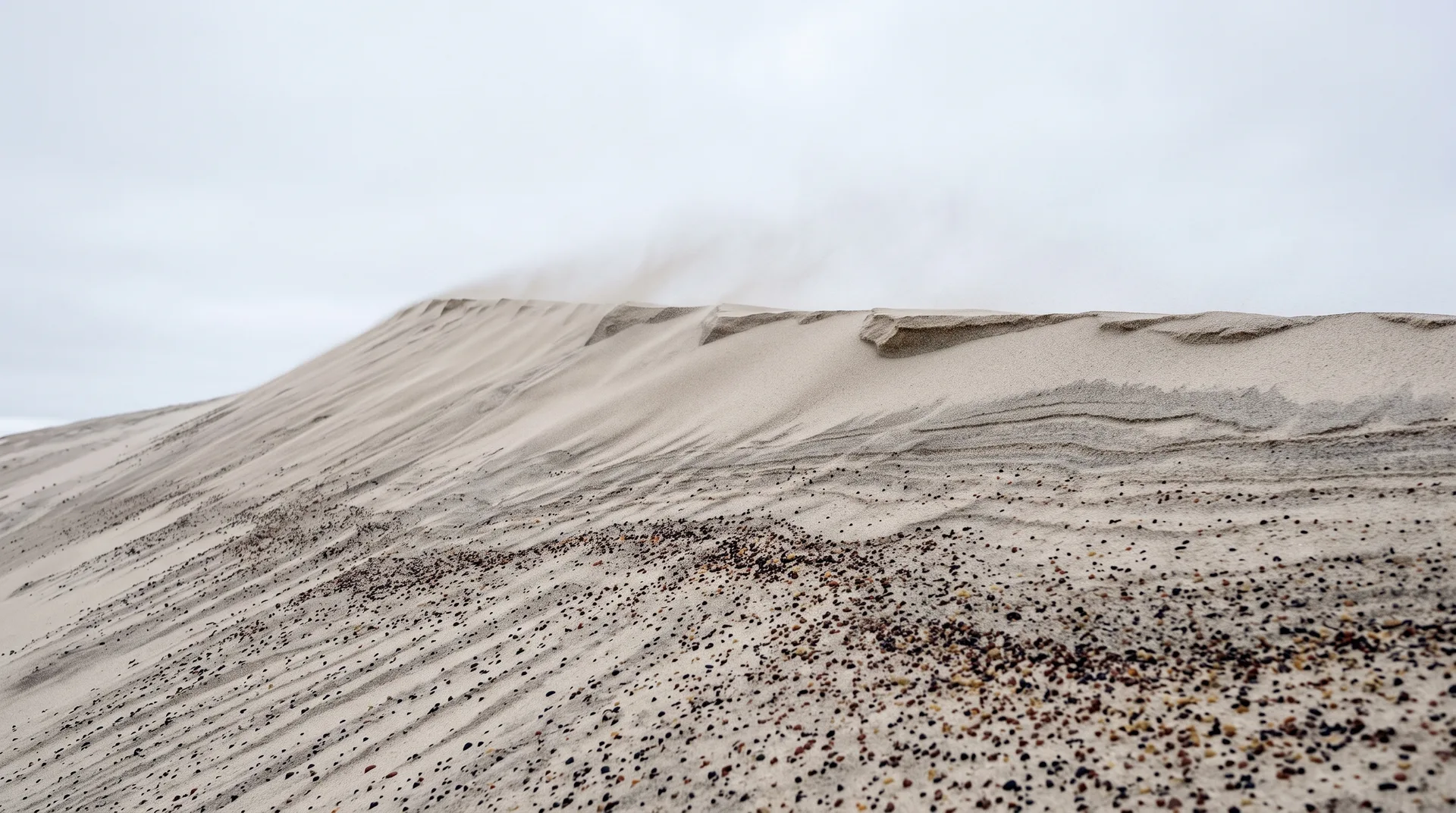
The USGS model says the mechanisms that do the sorting are interpreted to be surf wave action in the swash zone of a beach, high energy surf and surge driven by turbulence during storm events, and long-shore drift. Between them, the forces of waves, tides, and longshore drift work the detritus, selectively carrying off lighter grains and leaving a fine-grained accumulation of heavy, dense mineral grains.
Most of this happens in one zone. Mineral sorting occurs mainly on the upper part of the high-tide swash zone. USGS describes the principal zone of separation as the upper part of the beach face, also known as the swash zone (the foreshore). There, variations in particle settling velocities due to differences in mineral densities work in concert with wave and tide actions in the swash zone to effectively segregate heavies from lights. Victoria's fact sheet describes the outgoing half of each wave doing the removal: backwash carries lighter minerals such as quartz back into the sea.
The USGS model quotes a 1991 study by Force describing heavy-mineral concentration as "a process involving lag enrichment on the swash face", meaning that the heavy grains are what is left behind, in a process in which erosion dominates deposition. Not all of them are sorted equally well: the finest-grained, most dense heavy minerals are the most effectively sorted.
Wind takes a second pass. According to USGS, wind can be a very effective mechanism for sorting the heavy, dense minerals from the lighter grains of sand, and "fine-grained sands and heavy minerals on the foreshore can be remobilized by winds, forming heavy mineral-rich sand dunes behind the beach". Victoria's fact sheet says that onshore winds that blow lighter grains inland can also concentrate heavier minerals at the front of coastal dunes.
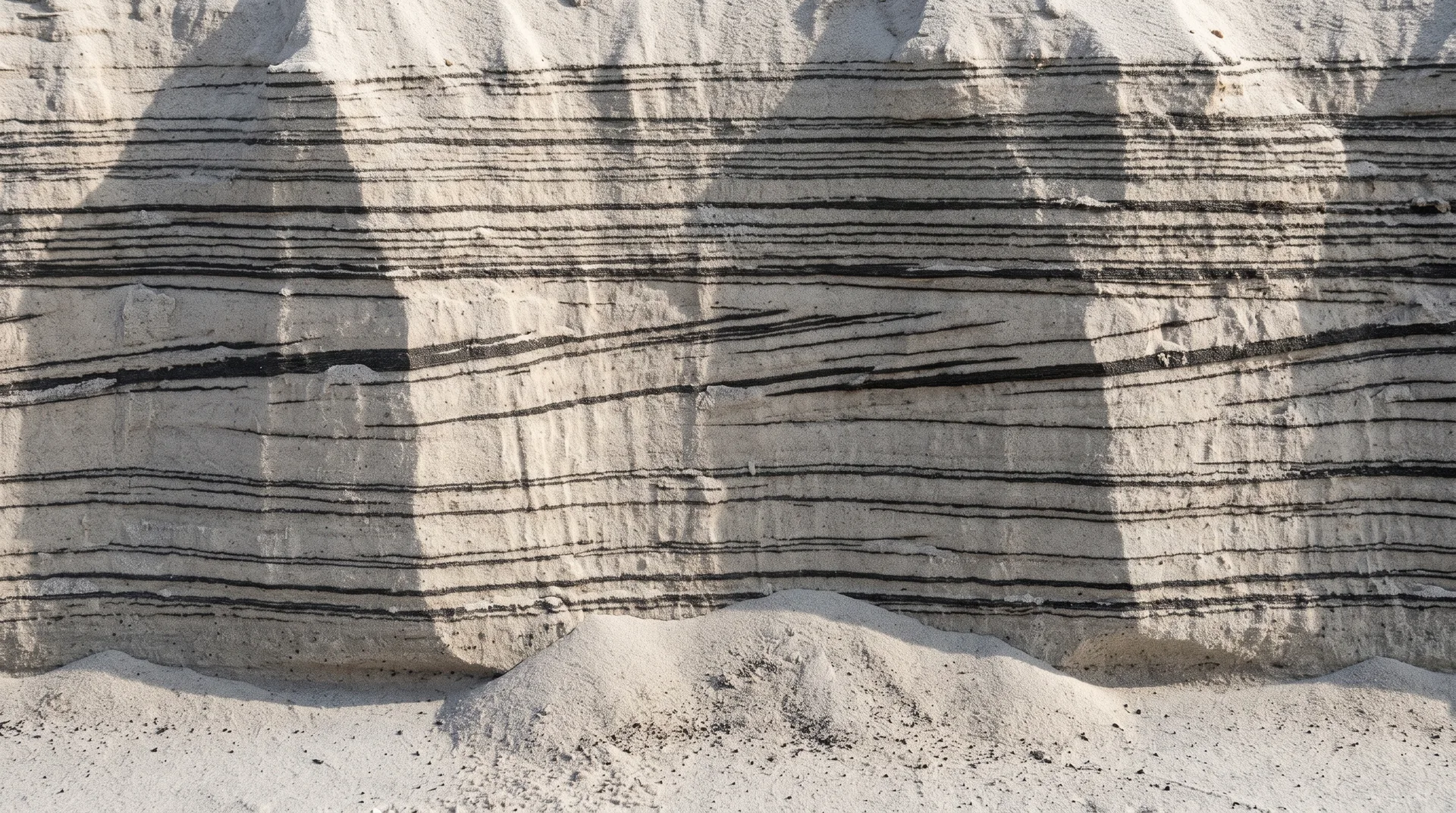
Repeated over time, these sorting processes can form discrete thin layers and composite intervals in the sediments composed of dominantly heavy minerals. USGS reports that most economic deposits of heavy-mineral sands are Paleogene, Neogene, and Quaternary in age; some are modern coastal deposits, and that heavy-mineral sands operations exploit deposits that range in age from Cretaceous to Holocene.
"Backwash efficiently sorts the available material, to produce a layer enriched in fine dense minerals." Force (1991), as quoted by USGS
Why the result is a mixture
What the beach leaves is a suite of minerals. USGS reports that the suite of heavy minerals most commonly includes ilmenite, rutile, leucoxene (altered ilmenite) and zircon, and can also contain sillimanite/kyanite, staurolite, monazite and garnet. It adds that in the vast majority of heavy-mineral sands, ilmenite is the most abundant heavy mineral and the principal ore mineral, and that together, ilmenite, rutile, and zircon often compose more than 80 percent of the heavy mineral suite. Geoscience Australia names rutile, ilmenite, zircon and monazite as the important minerals in mineral sands, with garnet, magnetite, sapphire, diamond and staurolite also mined from some deposits.
These minerals carry different elements. USGS groups ilmenite, rutile and leucoxene as titanium-bearing minerals, while monazite is a source of rare earth elements as well as thorium.
The mixture can also change after it is laid down. USGS notes that heavy mineral grains appear to weather primarily after their deposition in the coastal plain, and that iron is leached from ilmenite during weathering, which thereby upgrades the titanium dioxide (TiO₂) content of the ilmenite, forming leucoxene.
On this publication's reading, a sorting process that selects for density and size does not sort by chemistry, so titanium, zirconium and rare-earth minerals arrive together.
What the plant has to undo
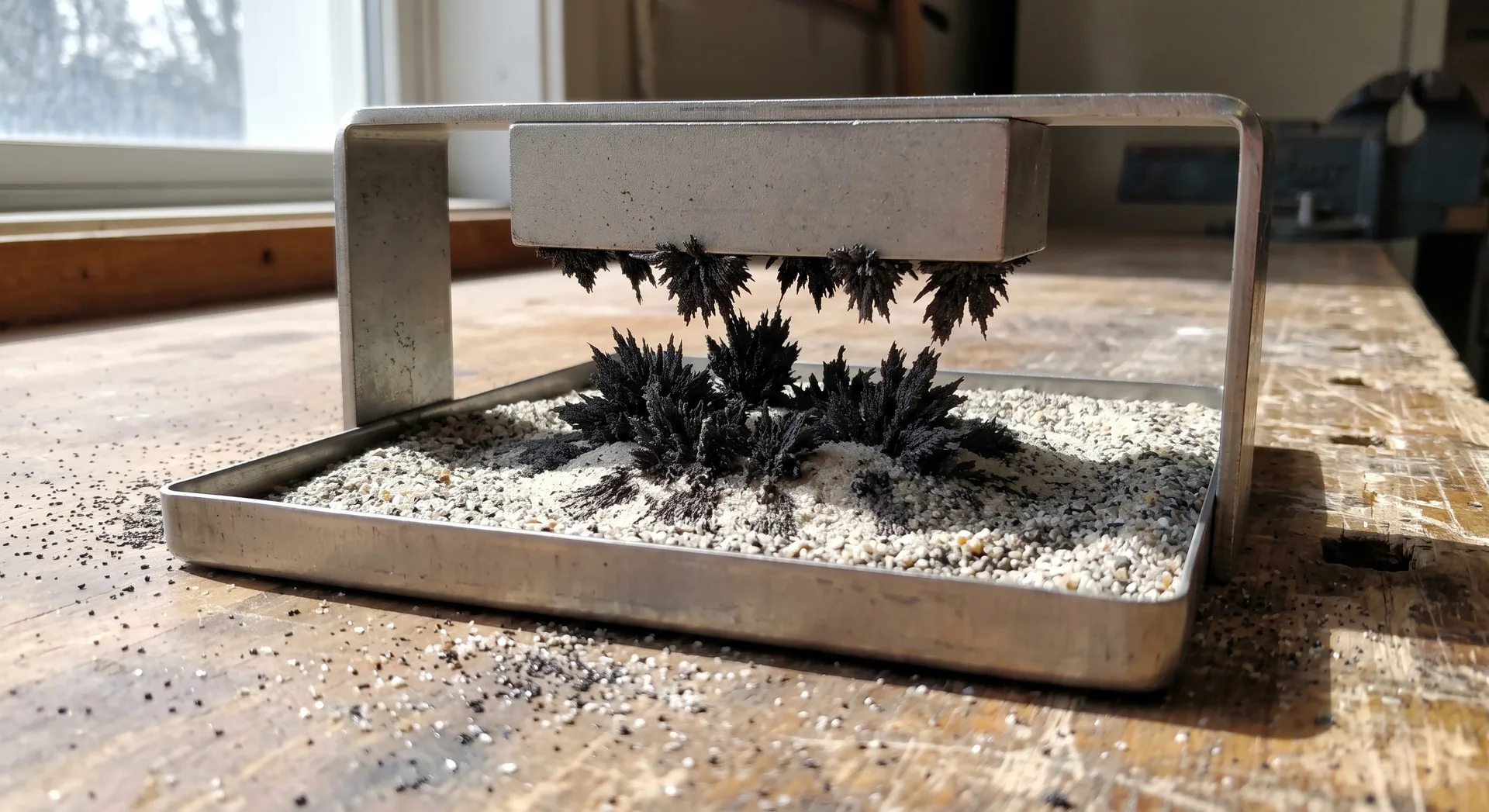
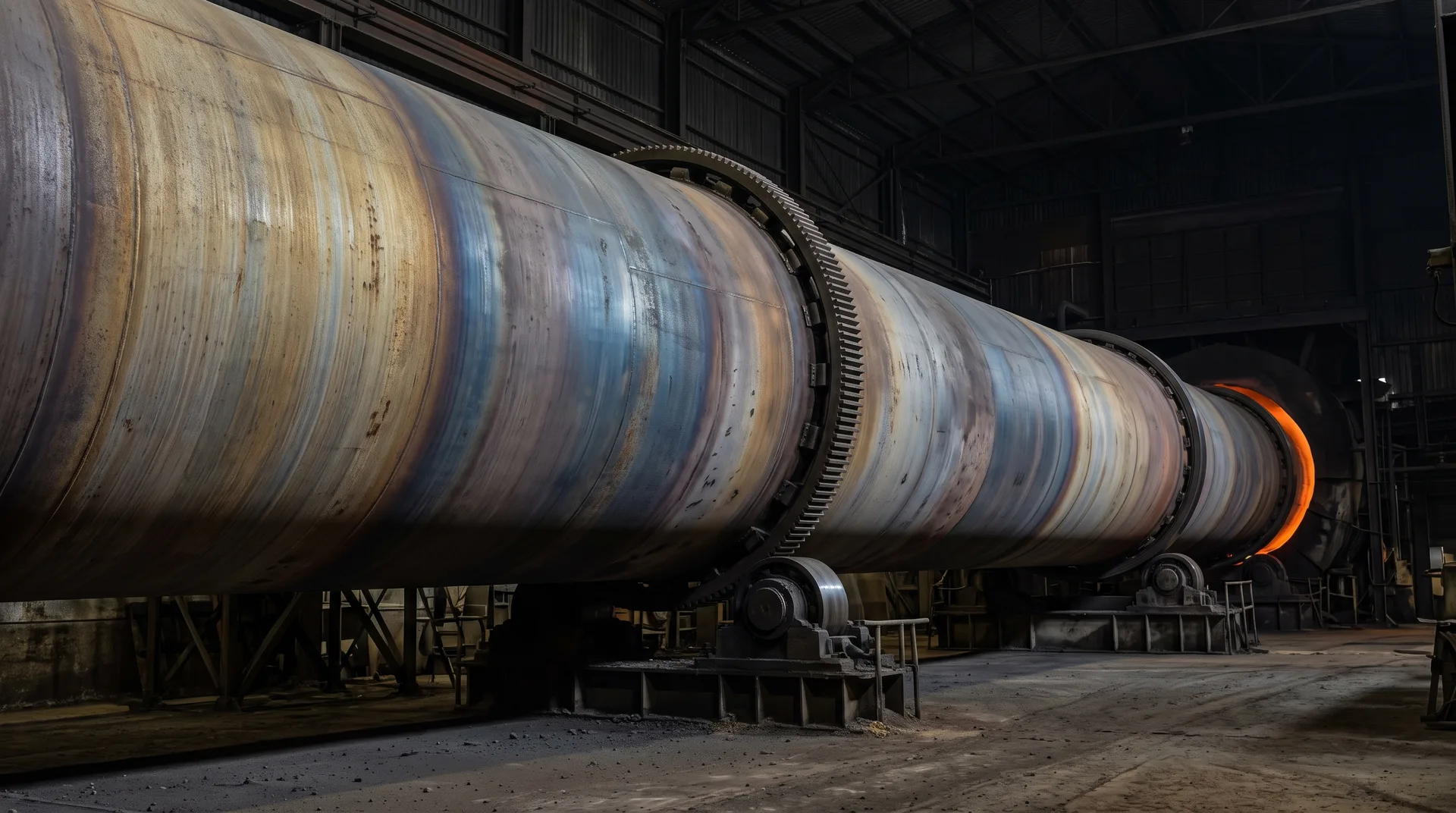
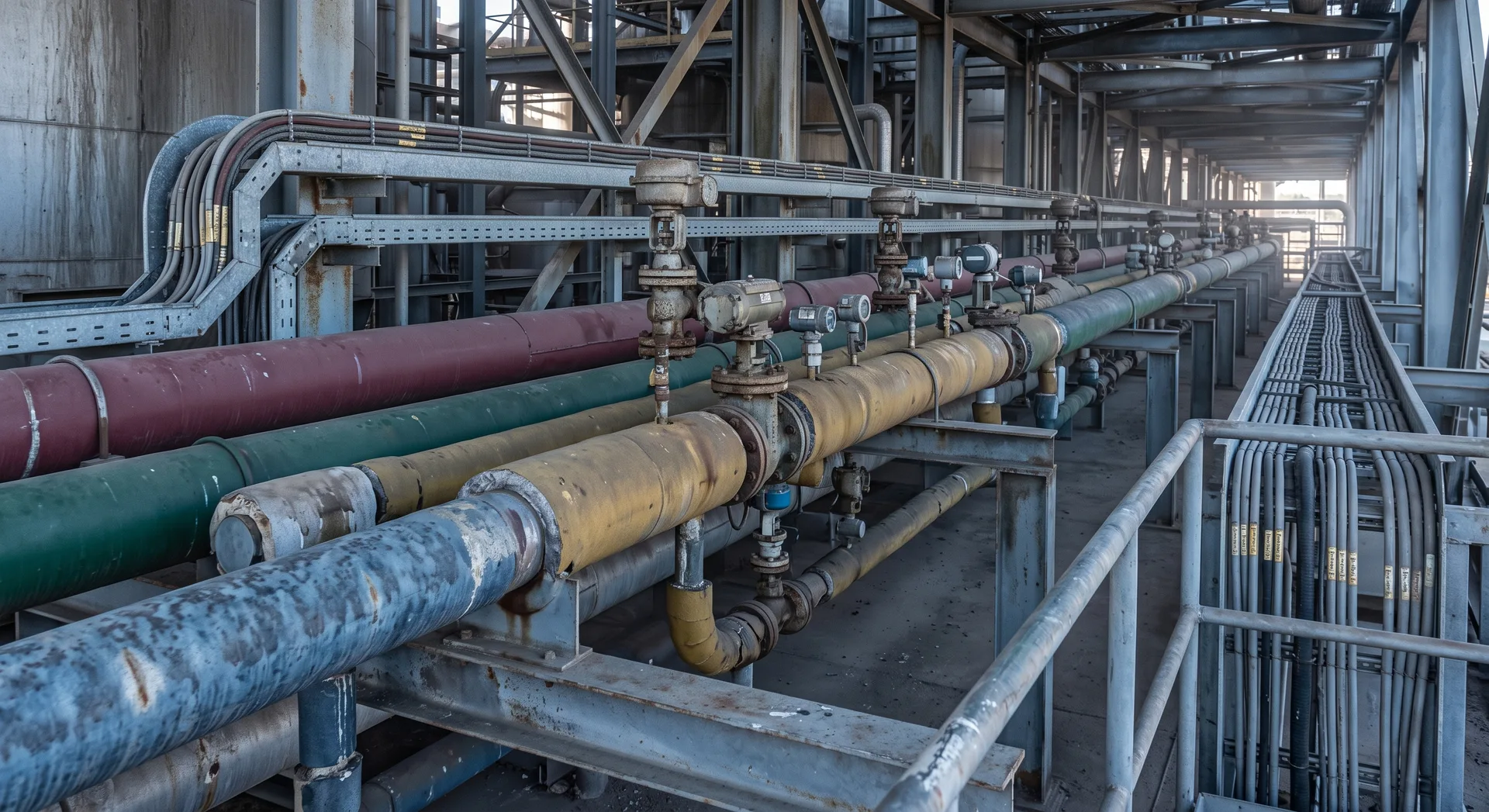
In the IAEA's outline of the zircon supply chain, heavy-mineral sands are processed by gravity separation to produce a concentrate containing more than 95% heavy minerals. Zircon and other minerals of value, such as ilmenite, rutile and monazite, are then separated from the complex mineral mix by magnetic and electrostatic separation processes.
Kenmare Resources describes a version of this sequence at its Moma mine. There, Kenmare says, the ore feed passes over "progressive stages of gravity spirals", which separate a heavy mineral concentrate from tailings of silica sand and clay. Kenmare states that its mineral separation plant then uses magnetic, gravity and electrostatic circuits to separate ilmenite, rutile, zircon and monazite into individual products.
For the later stages, both descriptions name magnetic and electrostatic separation, and Kenmare's plant also uses gravity circuits.
Related
- Processing Technology
- Mining Regions
- Exploration
- Mining Methods
- Refining
Sources
- PRIMARYVan Gosen, B.S., Fey, D.L., Shah, A.K., Verplanck, P.L., and Hoefen, T.M., 2014, Deposit model for heavy-mineral sands in coastal environments: U.S. Geological Survey Scientific Investigations Report 2010–5070–L. Abstract (p. 1): source rocks, river transport, sorting by size and density, upper high-tide swash zone, finest and densest grains most effectively sorted, wind remobilisation, leucoxene, monazite, deposit ages. p. 2: deposit ages and the age range of deposits worked. p. 3, Table 1 note: heavy minerals generally defined by specific gravity above 2.85. pp. 5–6: formation by physical-mechanical concentration, durability of the economic heavy minerals, glossary (quartz specific gravity), thin layers, sorting mechanisms, settling velocities, Force (1991) as quoted by USGS, wind sorting, the heavy-mineral suite and its usual composition.
- SECONDARYGeoscience Australia, 'Mineral Sands', Australian Mineral Facts (education page), last updated 14 May 2025, CC BY 4.0. Formation by weathering, erosion and transport to the sea; the important minerals of mineral sands and others mined from some deposits; hardness and resistance to weathering.
- SECONDARYState Government of Victoria (Earth Resources), 'Mineral Sands' fact sheet, March 2022. Formation: concentration of heavier minerals on beaches by waves and backwash, and at the front of coastal dunes by onshore winds.
- PRIMARYInternational Atomic Energy Agency, Radiation Protection and NORM Residue Management in the Zircon and Zirconia Industries, Safety Reports Series No. 51, Vienna, 2007. s. 2.2.1, p. 7: gravity concentration of heavy-mineral sands and the magnetic and electrostatic separation of zircon and other valuable minerals, given in outline.
- PRIMARYKenmare Resources plc, 'Moma's operating process' (web page, published 24 September 2024, modified 15 May 2026). The company's description of its own mine: gravity spirals producing a heavy mineral concentrate, and a mineral separation plant with magnetic, gravity and electrostatic circuits.
- ANALYSISANALYSIS: the reading that sorting by size and density, acting on minerals that survived transport, gathers several chemically different minerals into one sand, so that the processing plant's task is to separate a mixture the coast assembled. This publication's framing.Non-public document · no public URL