Minerals Hub / Geography & Supply Chains / Where Europe stands at each stage of the rare-earth magnet chain
Geography & Supply Chains · Monazite · 6 min read
Where Europe stands at each stage of the rare-earth magnet chain
A stage-by-stage status account of the rare-earth magnet chain in Europe, separating what company filings and Commission decisions describe as running from what is being built and what is only selected or announced.
Reviewed by Peter Uppal
The short version
As of 26 October 2026, company filings and statements describe rare-earth separation as running in Europe and, on Vacuumschmelze's undated web page read on 26 October 2026, magnet manufacturing too, while a metal and alloy plant is only announced, one oxide and recycling plant was under construction as of 31 August 2026, and one recycling plant had opened on 28 April 2026 but was not yet fully commissioned. The European Commission selected five EU Strategic Projects for rare earths for permanent magnets on 25 March 2025 and four more on 9 October 2026. A 2025 Commission factsheet, drawing on the Commission's 2023 criticality study, puts EU dependency on third countries for rare earths for permanent magnets at 100% at the extraction stage and over 99% at the processing stage.
Three kinds of status
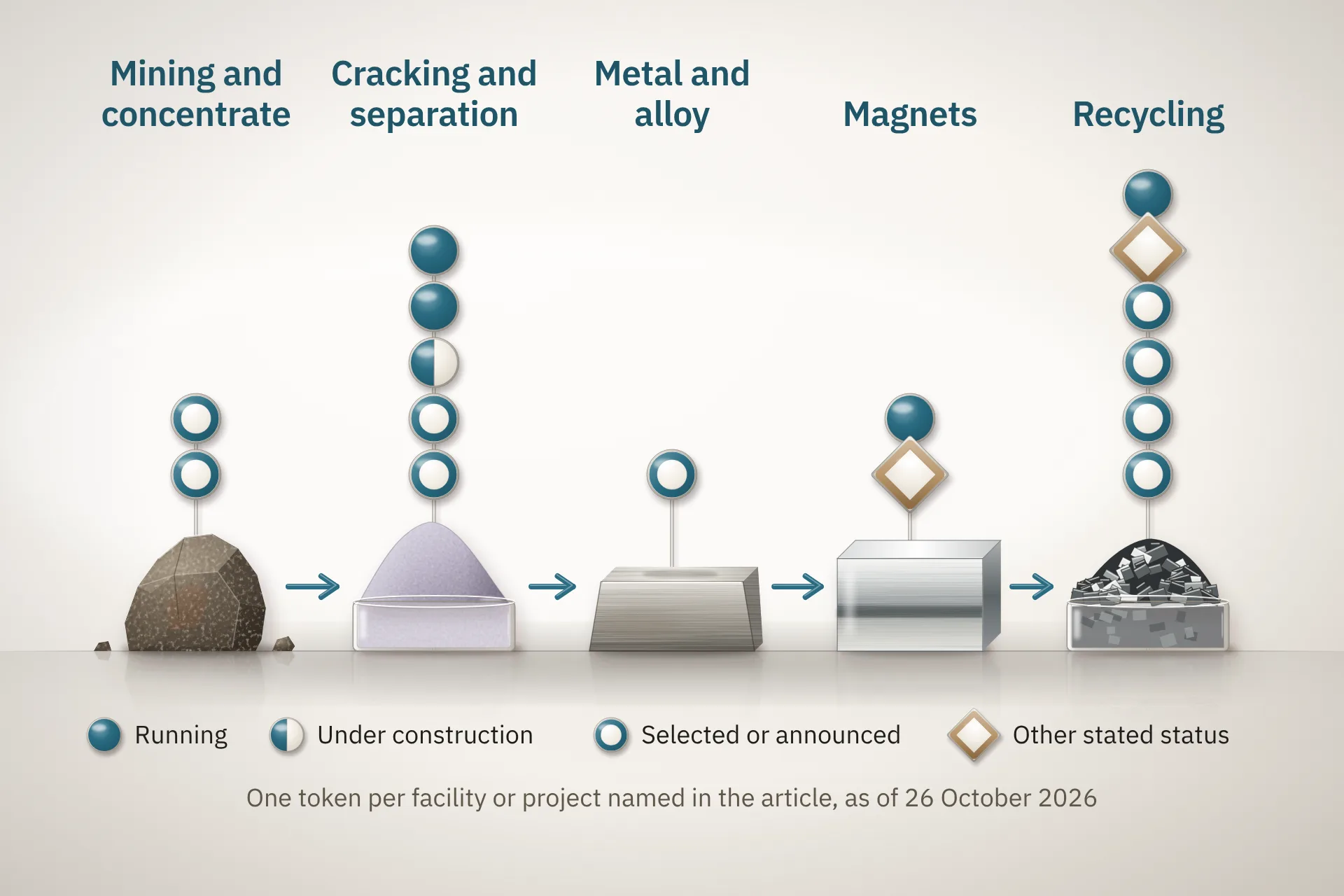
This map sorts each European facility in the chain, from mining to recycling, into one of three conditions: running, under construction, or selected and announced. Each status carries the date of the filing or decision it comes from.
The Commission approved the first list of EU Strategic Projects on 25 March 2025, the first non-EU list on 4 June 2025 and a second EU list on 9 October 2026, for 106 Strategic Projects in total. The October 2026 selection added 46 Strategic Projects across 16 Member States, four of them on rare earth elements supporting the permanent magnet value chain. On this publication's reading, selection records a decision about a project, not that a plant is running, and the word "ongoing" in the Commission's project categories names a category, not an operating status.
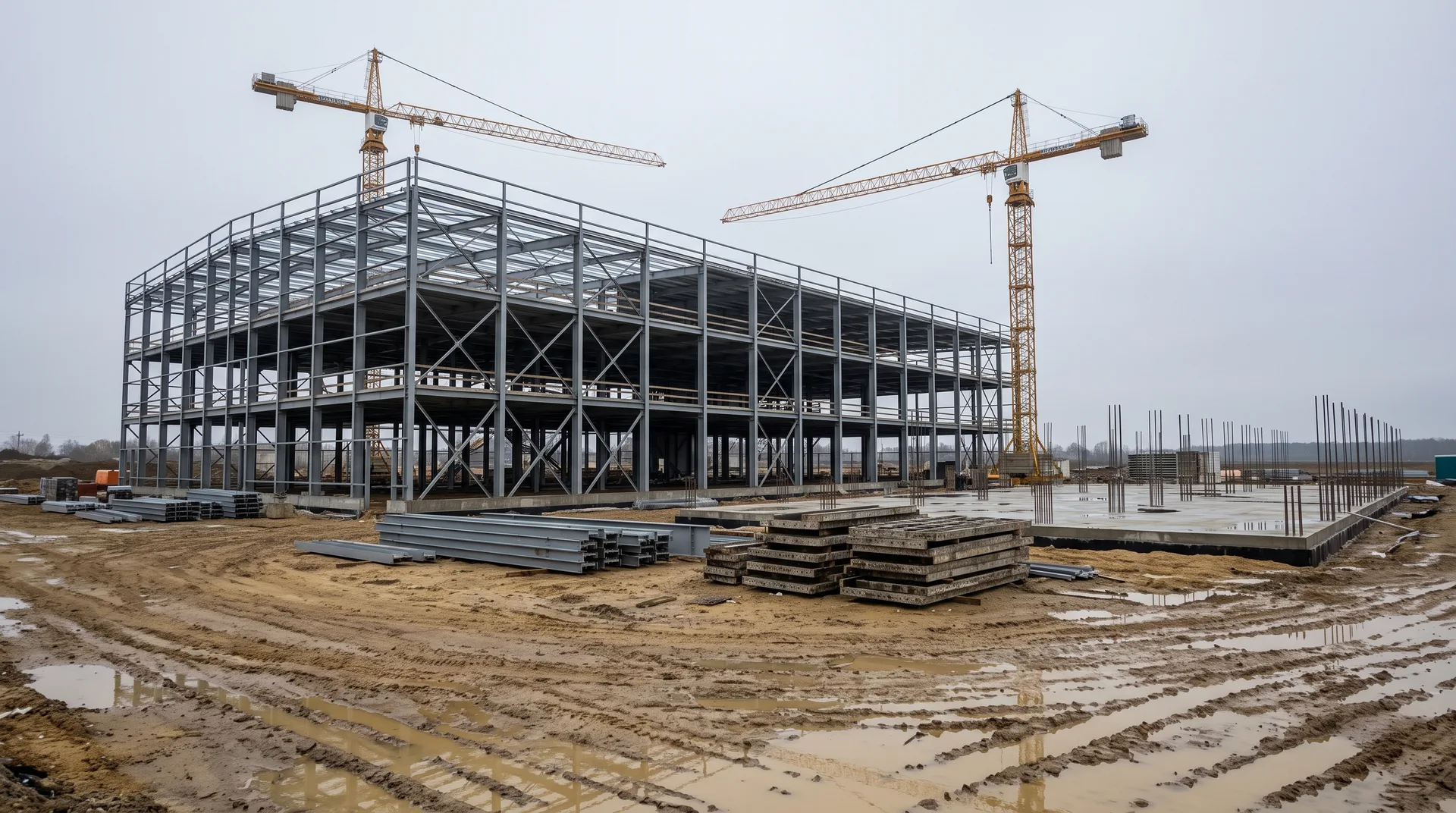
Neo's release of 31 August 2026 describes Carester's Caremag plant at Lacq as under construction.
Mining and concentrate
The Commission's 2025 factsheet, relaying its 2023 criticality study, gives EU dependency on third countries for rare earths for permanent magnets at the extraction stage as 100%.
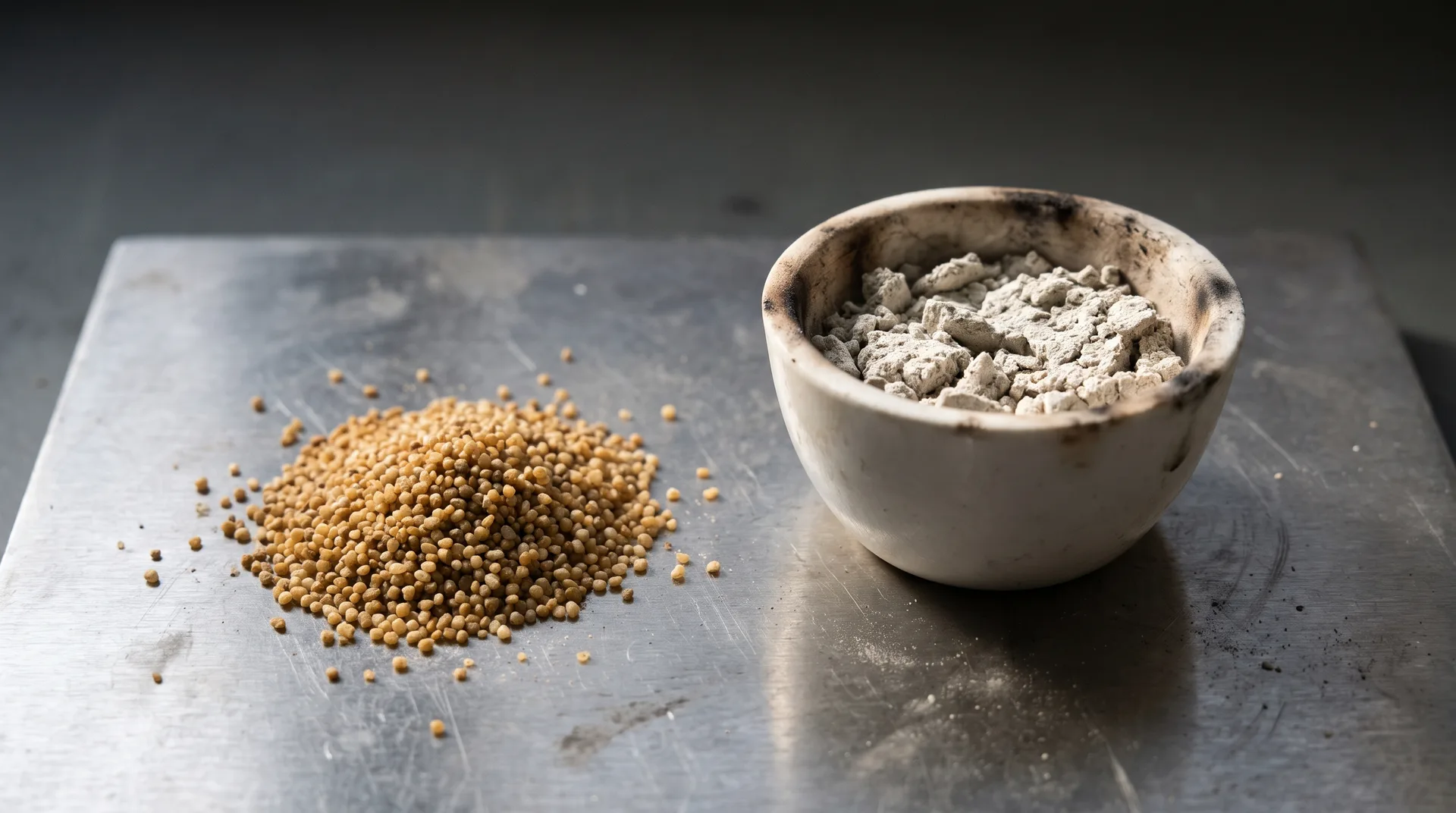
Two EU Strategic Projects for magnet rare earths sit at this stage. The March 2025 list includes ReeMAP (LKAB, Sweden), an integrated project with extraction at Malmberget and Per Geijer and processing at Luleå Industrial Park, and the October 2026 list adds Sokli (Sokli Oy, Finland, extraction).
As of 29 July 2026, Solvay reported a letter of intent with Viridis to buy mixed rare earth concentrate from Brazil from 2028.
Cracking and separation
At the processing stage, the Commission's 2025 factsheet gives EU dependency on third countries for rare earths for permanent magnets as over 99%. Table 6 of the Commission's 2023 study reports, on 2016–2020 averages, China as the source of 85% of EU supply of light rare earths, as the study uses the term, at the processing stage.
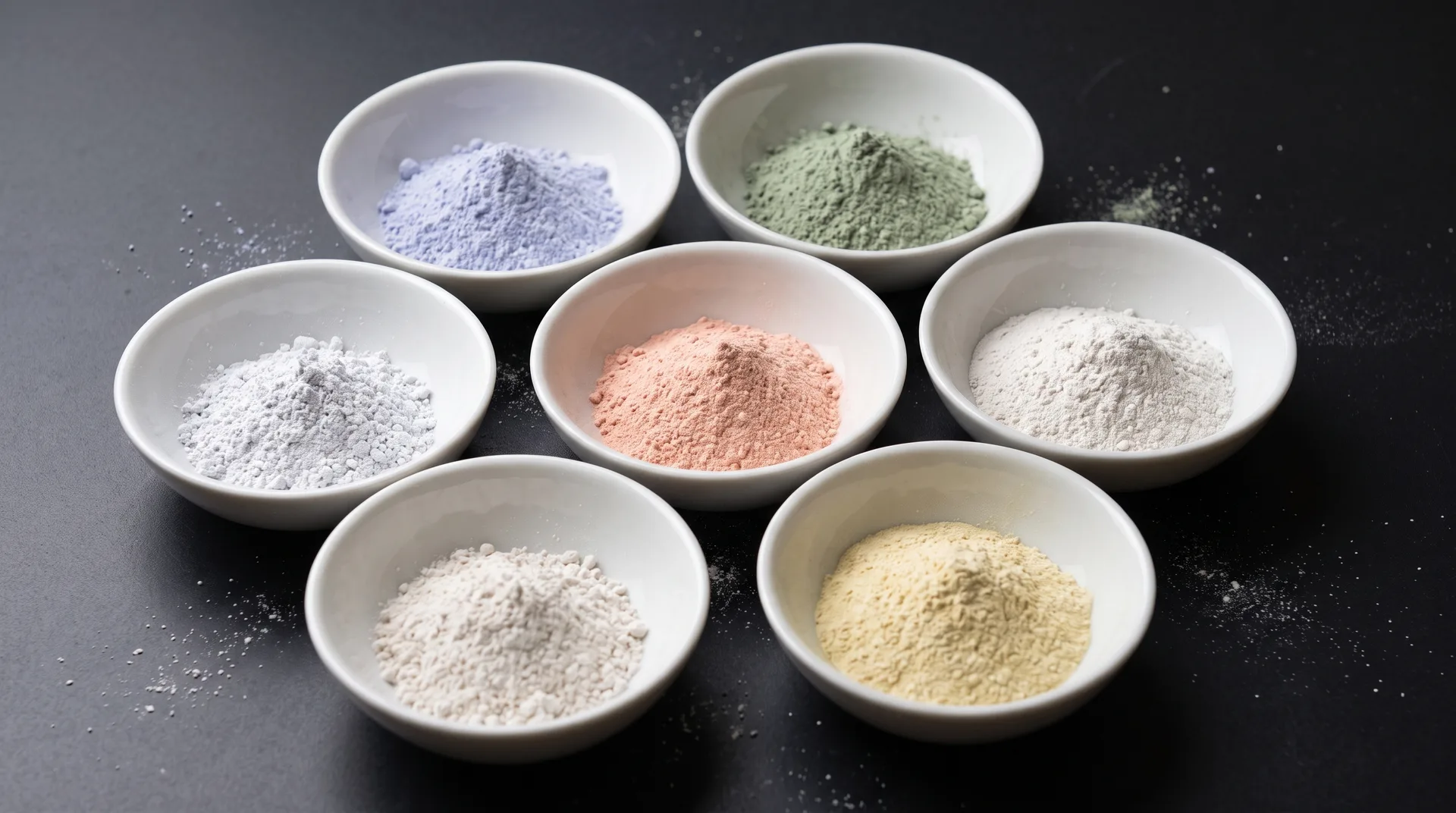
Two plants are described by their owners as operating or in production. Neo's MD&A of 10 August 2026 describes its Silmet plant at Sillamäe, Estonia, as an operating rare earth separation facility, with a small-scale heavy rare earth solvent-extraction line commissioned in April 2026. At La Rochelle, Solvay inaugurated a new production line for rare earths used in permanent magnets in April 2025. As of 29 July 2026, Solvay reported its magnet light rare earths (NdPr) "in production since H1 2025", with heavy rare earths (DyTb) for magnets targeted for 2026.
One plant is being built. Carester said in March 2025 that its Caremag plant at Lacq would recycle 2,000 tonnes of magnets and refine 5,000 tonnes of mining concentrates a year, with a planned output of 600 tonnes of dysprosium and terbium oxides and 800 tonnes of neodymium and praseodymium oxides. Neo's release of 31 August 2026 describes Caremag as under construction, and USA Rare Earth's release of 9 April 2026 says it is being built and scheduled for commissioning in late 2026.
Three are also Strategic Projects. The Commission lists CAREMAG (Caremag SAS, France) and the Pulawy Rare Earths Separation Plant (Mkango Resources Ltd., Poland) as processing projects in March 2025, and Silmet 2.0 (NPM Silmet OÜ, Estonia, processing) in October 2026. The 9 October 2026 press release says the full set of projects "could fully meet … the processing benchmarks for lithium and rare earth elements".
In 2025 the EU imported about 14,337 t of rare-earth compounds (HS 2846, all compounds together) from outside the EU, counting EU-27 imports from extra-EU partners by quantity. On this publication's arithmetic, about 44% of the EU's 2025 extra-EU imports of HS 2846 compounds by quantity came from China, about 27% from Russia and about 24% from Malaysia.
Metal and alloy
This map has one metal and alloy plant, and it is only announced. On 20 January 2026 USA Rare Earth said its French subsidiary LCM Europe plans to develop a 3,750 t a year metal and alloy facility at Lacq, co-located with Carester's Caremag plant, with French government C3IV credits of up to 45% of eligible equipment. The release gives no construction or commissioning date.
Magnets
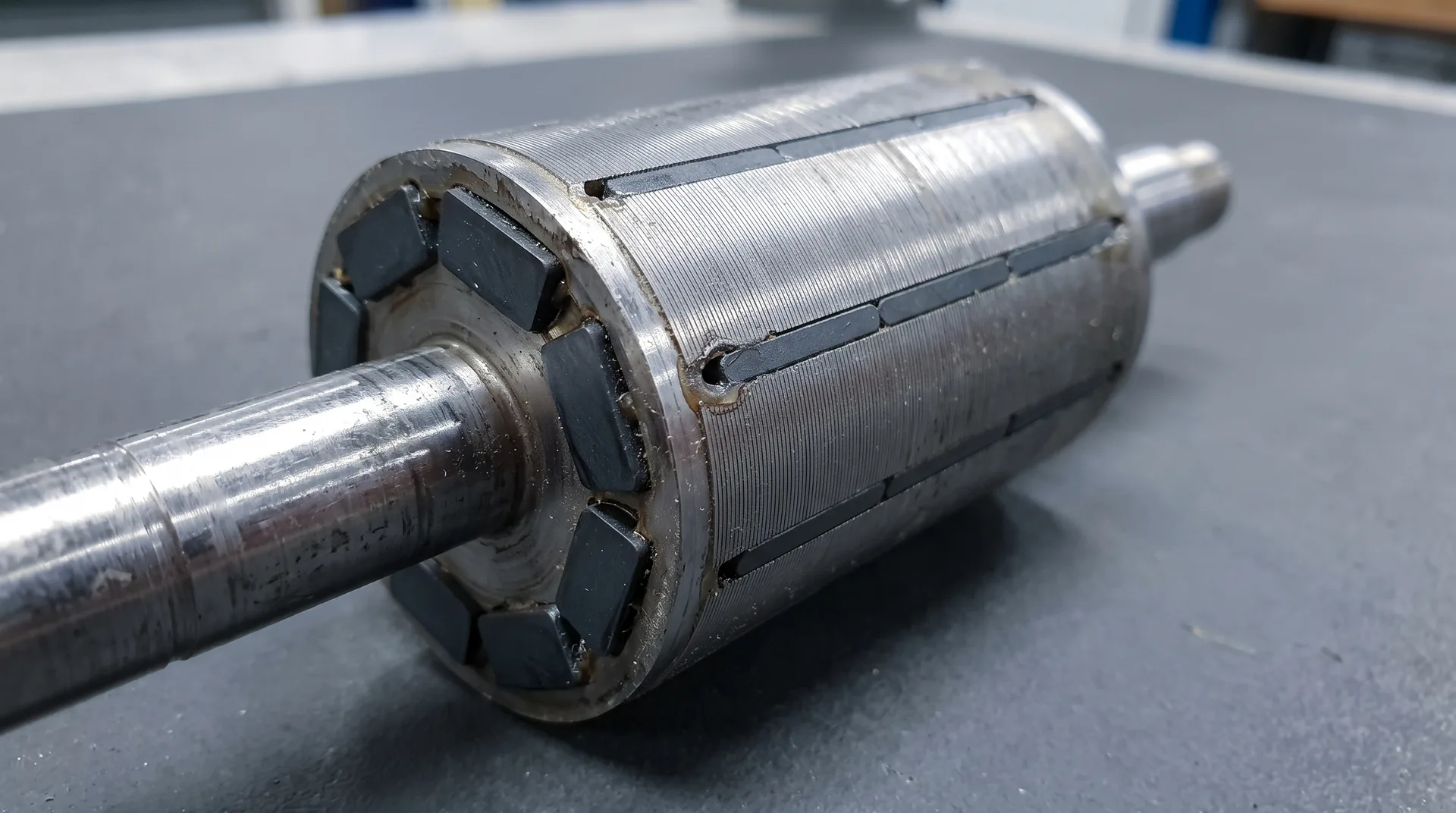
Vacuumschmelze states on an undated page, read on 26 October 2026, that it has fully operational rare-earth permanent magnet manufacturing facilities in Germany, Slovakia and Finland. Neo's MD&A of 10 August 2026 says its Narva plant in Estonia, designed for sintered NdFeB magnets, was producing and shipping qualification sample magnets, and Neo's 31 August 2026 release says the Narva plant is expected to launch commercial production in the second half of 2026.
In 2025, the EU's imported metal permanent magnets came mostly from one country. Eurostat counts about 38,219 t of permanent magnets of metal (HS 850511) imported into the EU from outside it in 2025, of which about 35,322 t came from China; the code covers all metal permanent magnets, not only NdFeB.
Recycling
Four Strategic Projects are recyclers: MagFactory (France) and INSPIREE (Italy) from March 2025, and HyProMag GmbH (Germany) and BREES (France) from October 2026, all four placed in the category the Commission names "ongoing recycling".
HyProMag's Pforzheim plant was officially opened on 28 April 2026, with a minimum initial capacity of about 100 t a year of NdFeB product once fully commissioned, rising to about 350 t a year, according to its affiliate HyProMag USA; on that date it was not yet fully commissioned. MagREEsource's presentation of 28 May 2026 says it operates a recycled NdFeB magnet plant at Noyarey near Grenoble with 50 t a year capacity for 2026–2028, and plans the larger MagFactory at 500–1,000 t a year for 2028–2031.
The Commission's December 2025 action plan names Carester and Solvay in France and Inspiree in Italy as recyclers that, with the appropriate feedstock and incentives, could contribute to producing 3,800 t of rare earth permanent magnets in the next few years, "about 20% of today's demand" in the plan's words.
Related
- Countries — where each plant on this map sits
- Processing Centres — the separation and oxide plants placed on the map
- Supply Chain Risk — why near-total import dependence matters
- Refining — what the cracking and separation stages involve
- Recycling — the recycling plants listed here as opened, built or selected
Sources
- PRIMARYEuropean Commission, 'Selected projects' (Strategic projects under the Critical Raw Materials Act), web page, captured 26 October 2026. Dates of the first EU list (25 March 2025), first non-EU list (4 June 2025) and second EU list (9 October 2026); 106 Strategic Projects in total.
- PRIMARYEuropean Commission, press release IP/26/2113, 'Commission selects 46 new Strategic Projects to bolster the EU's supply of critical raw materials', 9 October 2026. 46 projects across 16 Member States, four on rare earth elements for the permanent magnet value chain; the full set of projects 'could fully meet' the processing benchmarks for lithium and rare earth elements.
- PRIMARYEuropean Commission, Annex to Commission Decision C(2026) 8051 (second list of Strategic Projects in the EU), Brussels, 9 October 2026. Rare-earth-for-magnet entries: BREES (Rhodia Operations, France, recycling), HyProMag GmbH (Germany, recycling), Silmet 2.0 (NPM Silmet OÜ, Estonia, processing), Sokli (Sokli Oy, Finland, extraction).
- PRIMARYEuropean Commission, Annex to Commission Decision C(2025) 1904 final (first list of Strategic Projects in the EU), Brussels, 25 March 2025. Rare-earth-for-magnet entries (7), (22), (25), (36), (38): CAREMAG, LIFE22-ENV-IT-INSPIREE, MagFactory, Pulawy Rare Earths Separation Plant, ReeMAP.
- PRIMARYEuropean Commission, factsheet 'Strategic Projects under the Critical Raw Materials Act · Strategic raw materials: Rare earth elements for permanent magnets', Publications Office, 2025, relaying the Commission's 2023 criticality study. EU dependency on third countries: 100% at extraction, over 99% at processing; selected projects at the processing stage could help cover most of EU demand.
- PRIMARYCarester, 'Caremag launch' news page, 17 March 2025 (captured 26 October 2026). Planned magnet recycling, concentrate refining and oxide output at Lacq; operations expected by late 2026. Company statement.
- PRIMARYNeo Performance Materials, press release on the Carester partnership, 31 August 2026. Caremag under construction; Narva magnet plant expected to launch commercial production in the second half of 2026. Company statement.
- PRIMARYNeo Performance Materials Inc., Management's Discussion and Analysis for the quarter ended 30 June 2026, dated 10 August 2026. p. 4 and p. 6: Narva sintered NdFeB magnet plant, nameplate capacity, qualification samples. p. 7: Silmet separation facility at Sillamäe, heavy rare earth solvent-extraction line commissioned April 2026.
- PRIMARYEuropean Commission, Communication COM(2025) 945 final, RESourceEU Action Plan, 3 December 2025. Section 3.1, p. 9: EU rare earth recyclers and the 3,800 t magnet figure.
- PRIMARYEurostat, Comext dataset DS-045409, EU-27 imports from extra-EU partners, HS 850511 (permanent magnets of metal, all types), 2025, quantity; dataset updated 16 October 2026.
- PRIMARYEurostat, Comext dataset DS-045409, EU-27 imports from extra-EU partners, HS 2846 (rare-earth compounds), 2025, quantity; dataset updated 16 October 2026.
- PRIMARYSolvay, press release on the inauguration of a rare earths production line for permanent magnets at La Rochelle, Brussels, 8 April 2025.
- PRIMARYSolvay, Q2 2026 earnings webcast presentation, 29 July 2026, slide 18: magnet light rare earths (NdPr) in production since H1 2025; heavy rare earths (DyTb) targeted for 2026; further heavy rare earths investment; letter of intent with Viridis.
- PRIMARYUSA Rare Earth, news release on LCM Europe's planned metal and alloy facility at Lacq and French government C3IV credits, 20 January 2026 (captured 26 October 2026).
- PRIMARYUSA Rare Earth, news release on its Carester investment, 9 April 2026. Caremag being built and scheduled for commissioning in late 2026.
- PRIMARYVacuumschmelze (VAC), 'Permanent magnets' web page, undated, captured 26 October 2026. Company statement on its magnet manufacturing facilities.
- PRIMARYMagREEsource, 'MagREEsource, des aimants permanents recyclés' (slides in English), FIEEC presentation, 28 May 2026. Noyarey plant capacity for 2026–2028 and planned MagFactory capacity for 2028–2031.
- PRIMARYHyProMag USA, LLC, release on the official opening of HyProMag's Pforzheim plant, ACCESS Newswire, 28 April 2026. Initial and expanded capacity of NdFeB product once fully commissioned.
- PRIMARYEuropean Commission, DG GROW (Grohol, M. and Veeh, C.), Study on the Critical Raw Materials for the EU 2023: Final Report, Publications Office, 2023. Table 6, p. 26: China's share of EU supply of light rare earths at the processing stage, 2016–2020 averages.
- ANALYSISANALYSIS: the reading of Strategic Project selection, and of the Commission's 'ongoing' project category, as decisions and categories about projects rather than records of running plants; and the import shares by partner computed from the Eurostat Comext 2025 quantities for HS 2846, by this publication.Non-public document · no public URL