Minerals Hub / Markets & Economics / Nuclear demand for pure zirconium drives hafnium supply
Markets & Economics · Zircon · 5 min read
Nuclear demand for pure zirconium drives hafnium supply
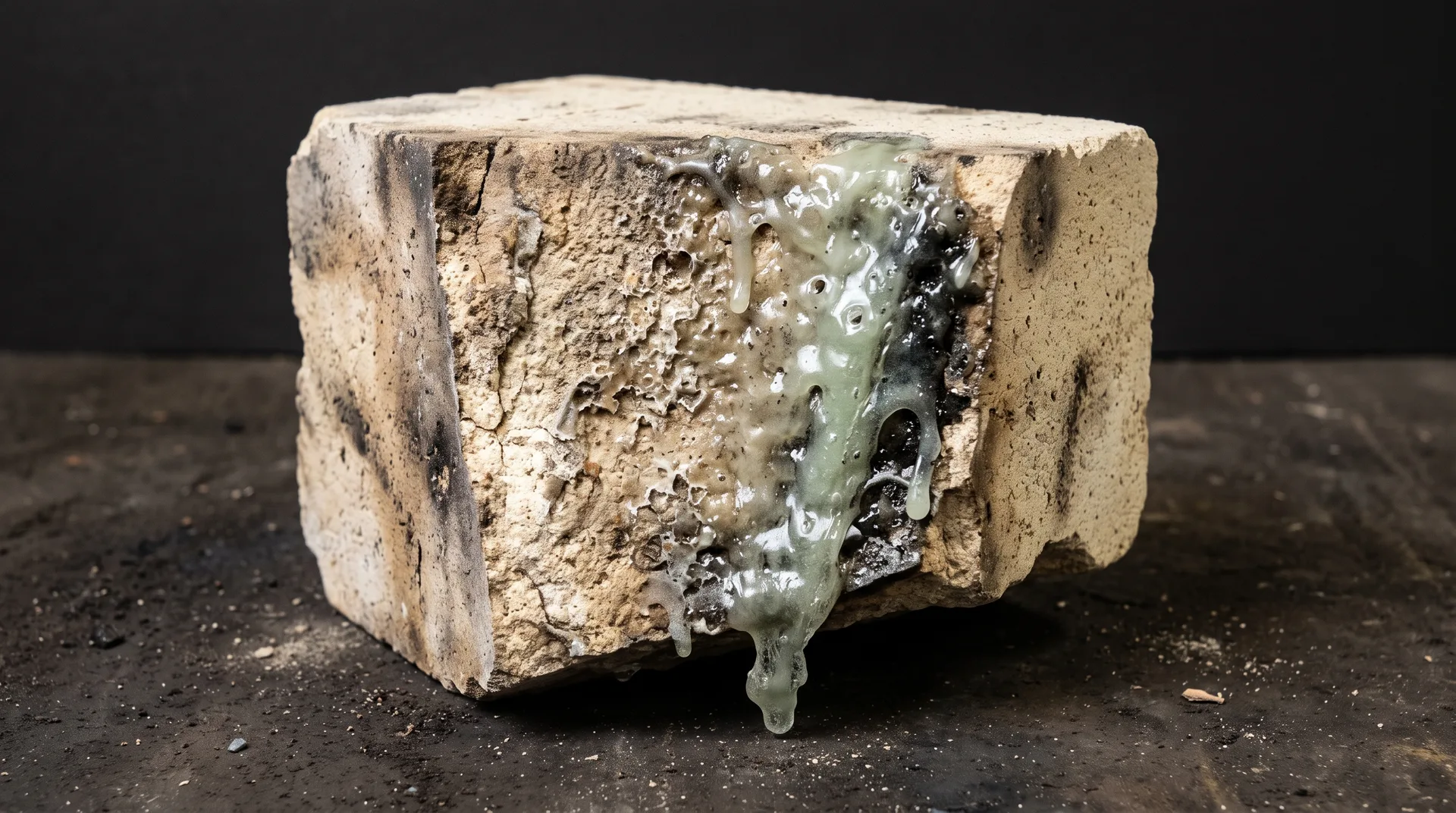
Hafnium comes out of the step that makes zirconium fit for reactors, and the EU-funded SCRREEN project states that nuclear demand for zirconium drives its production.
Reviewed by Peter Uppal
The short version
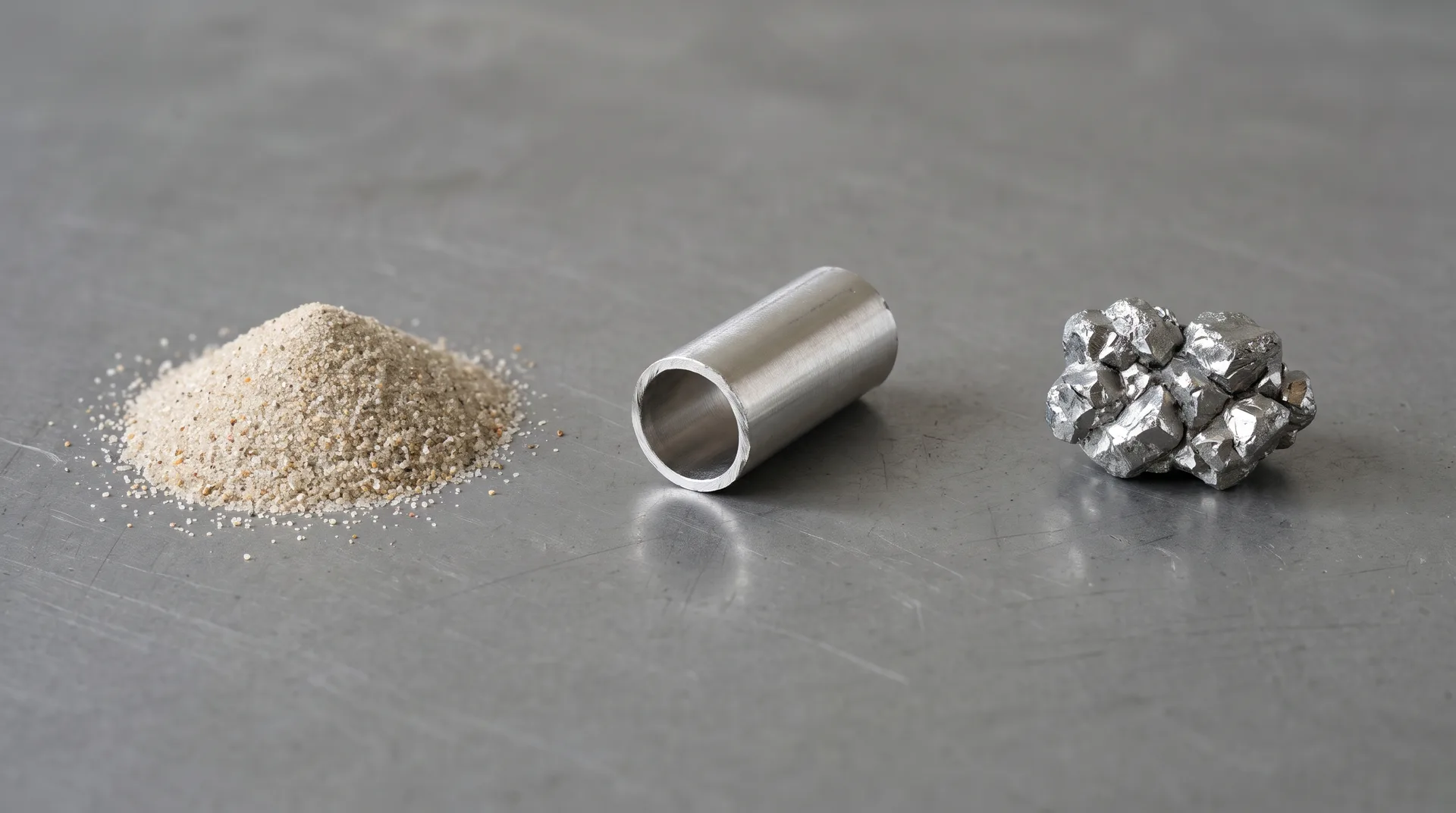
Hafnium and zirconium nearly always occur together in zircon, and they are so alike that zirconium still carries some hafnium unless the two are deliberately separated. That separation is made because zirconium for reactors has to be free of hafnium, and the EU-funded SCRREEN project states that, with no other current way to produce hafnium, zirconium demand from the nuclear industry drives hafnium production.
Two elements the rock does not tell apart
USGS's Professional Paper on the two elements states that hafnium and zirconium nearly always occur together, with hafnium in solid solution with zirconium in zircon. The paper gives the reason: the two have almost identical atomic sizes and analogous electronic structures, and nearly identical charge, ionic radii and ionic potentials. The Mineral Commodity Summaries 2026 accordingly describes world resources of hafnium as associated with those of zircon and baddeleyite.
Zirconium for non-nuclear uses need not have the two parted. USGS notes that zirconium metal made without hafnium separation still contains some hafnium and is used for non-nuclear applications.
Why a reactor needs them apart
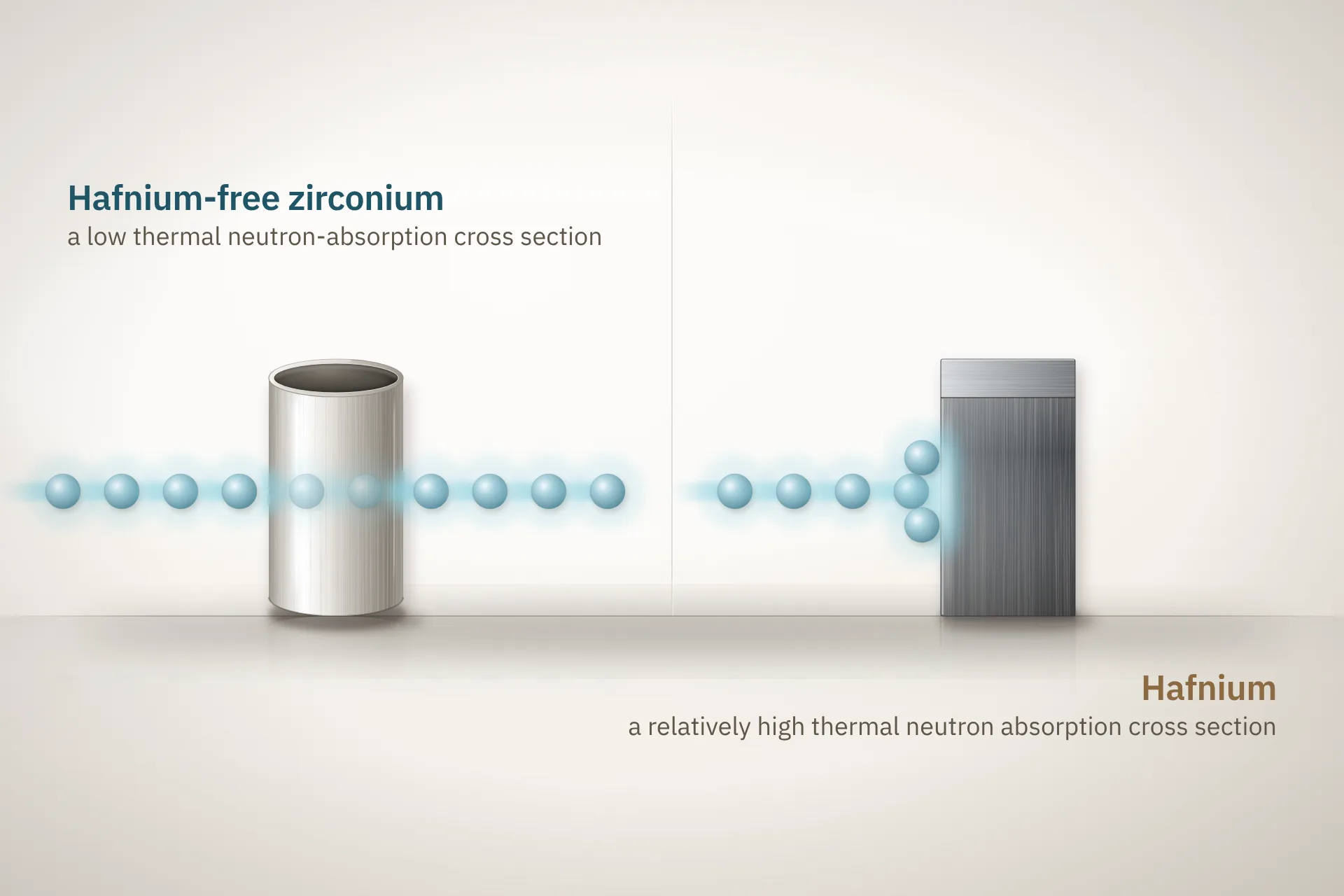
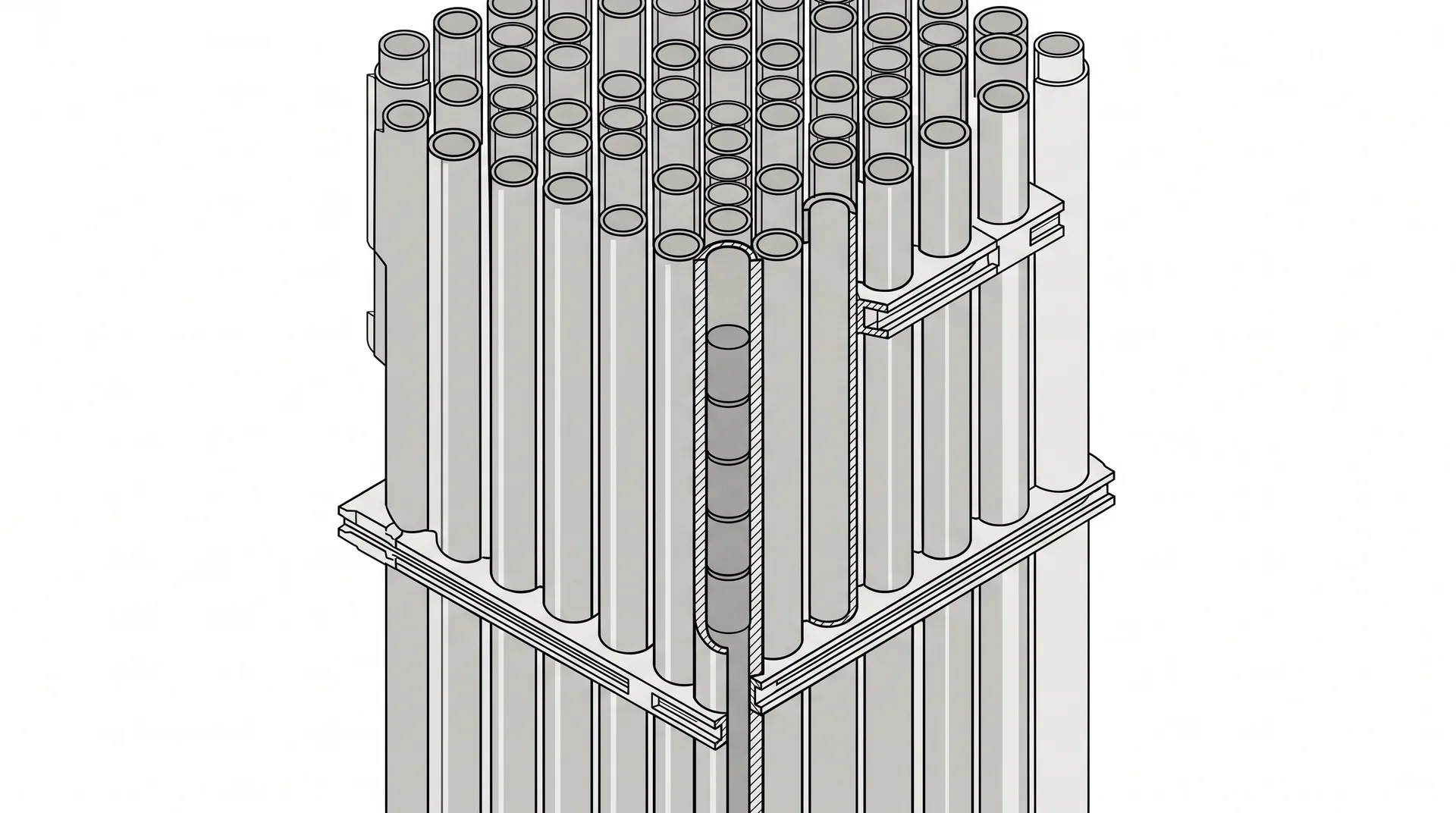
The nuclear industry is the exception. For nuclear-grade uses, USGS explains, the two metals must be separated because they absorb neutrons differently: hafnium-free zirconium has a low thermal neutron-absorption cross section and is used for reactor structures and fuel-rod cladding. Hafnium, by contrast, has a relatively high thermal neutron absorption cross section and is therefore used in nuclear control rods.
On SCRREEN's account, hafnium is made when somebody wants zirconium without it.
A by-product, and the places that make it
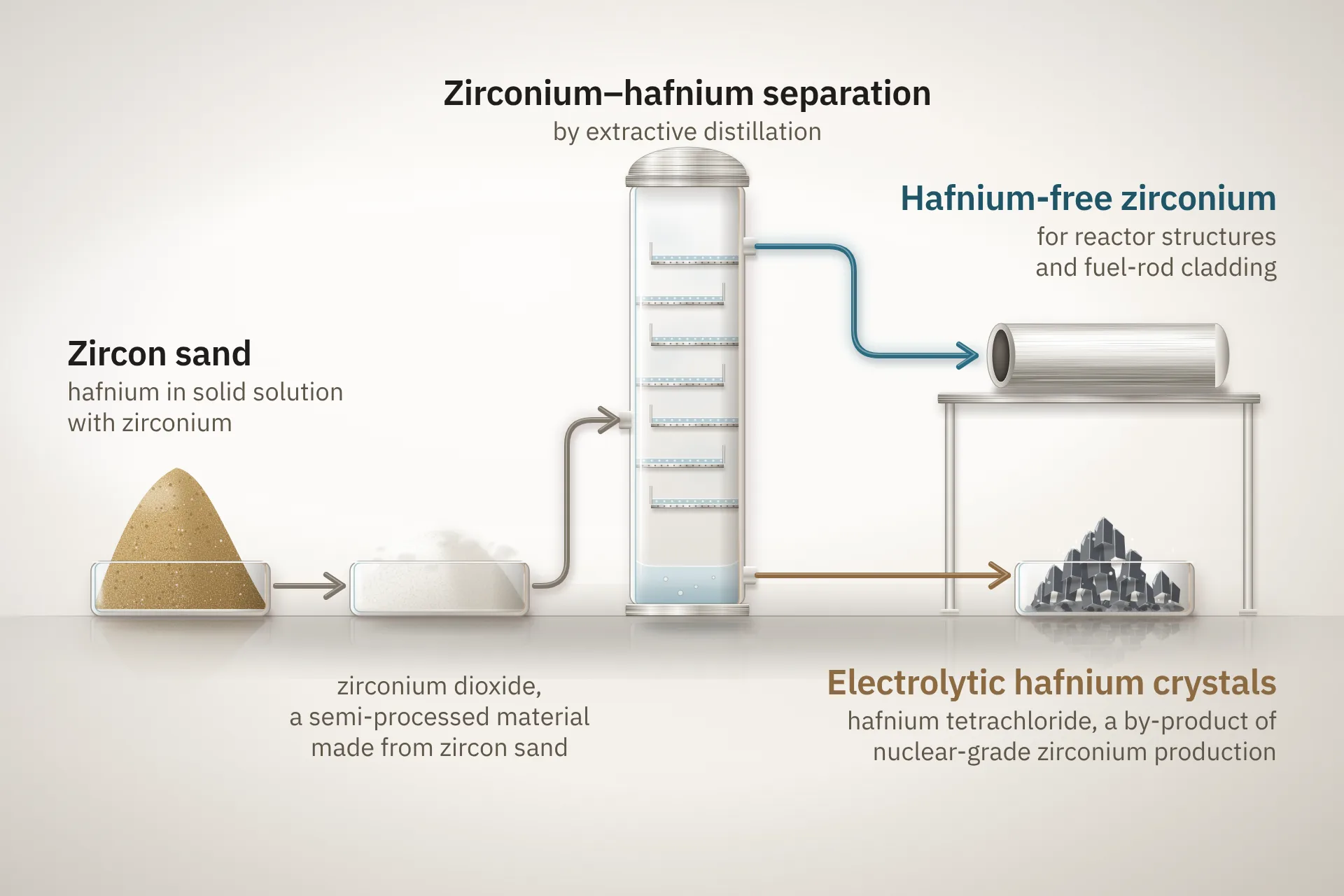
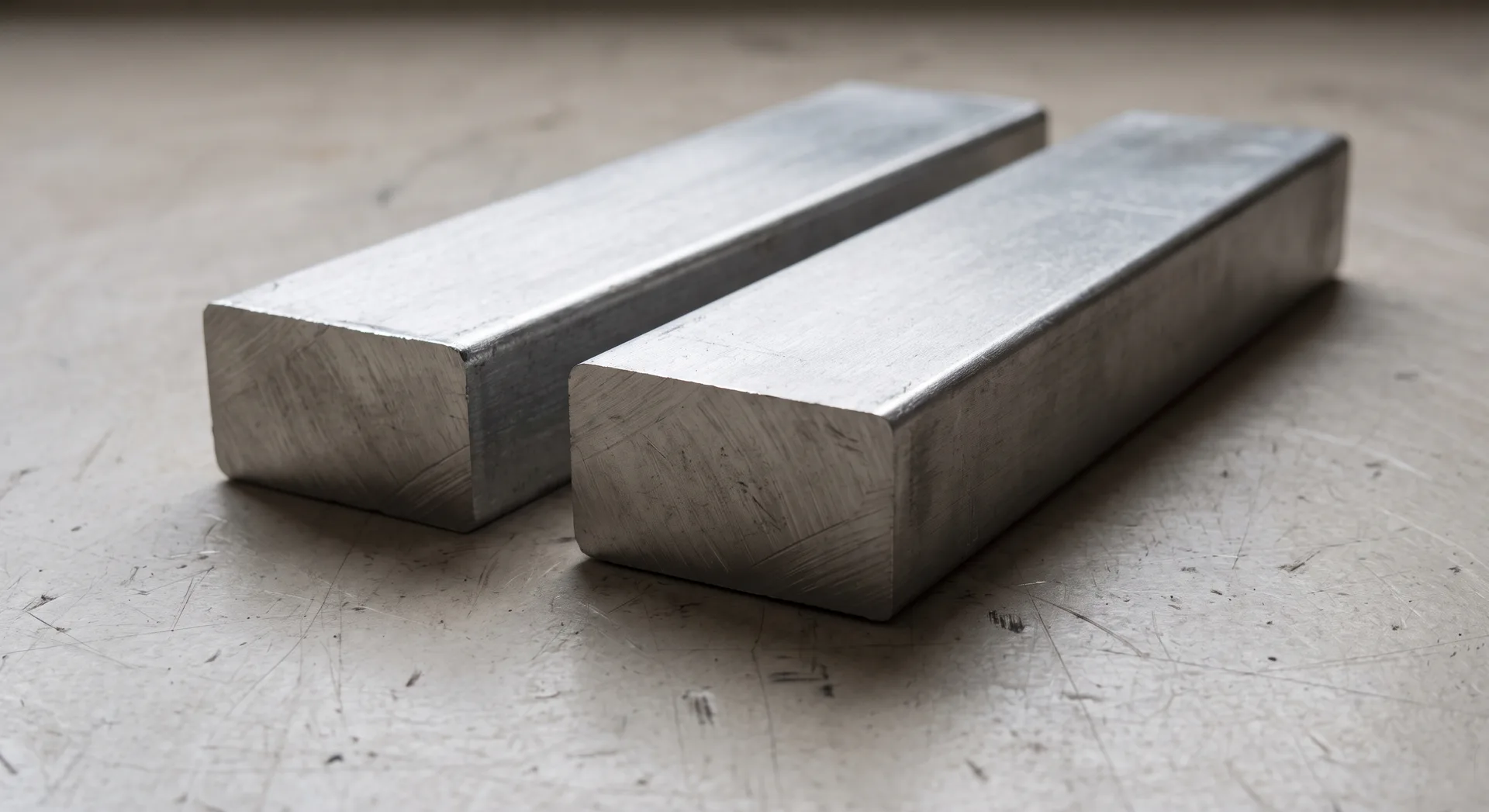
USGS describes hafnium as recovered as a by-product during zirconium extraction, and SCRREEN's factsheet states that it is exclusively produced as a by-product of zirconium metal, obtained during zirconium metal purification.
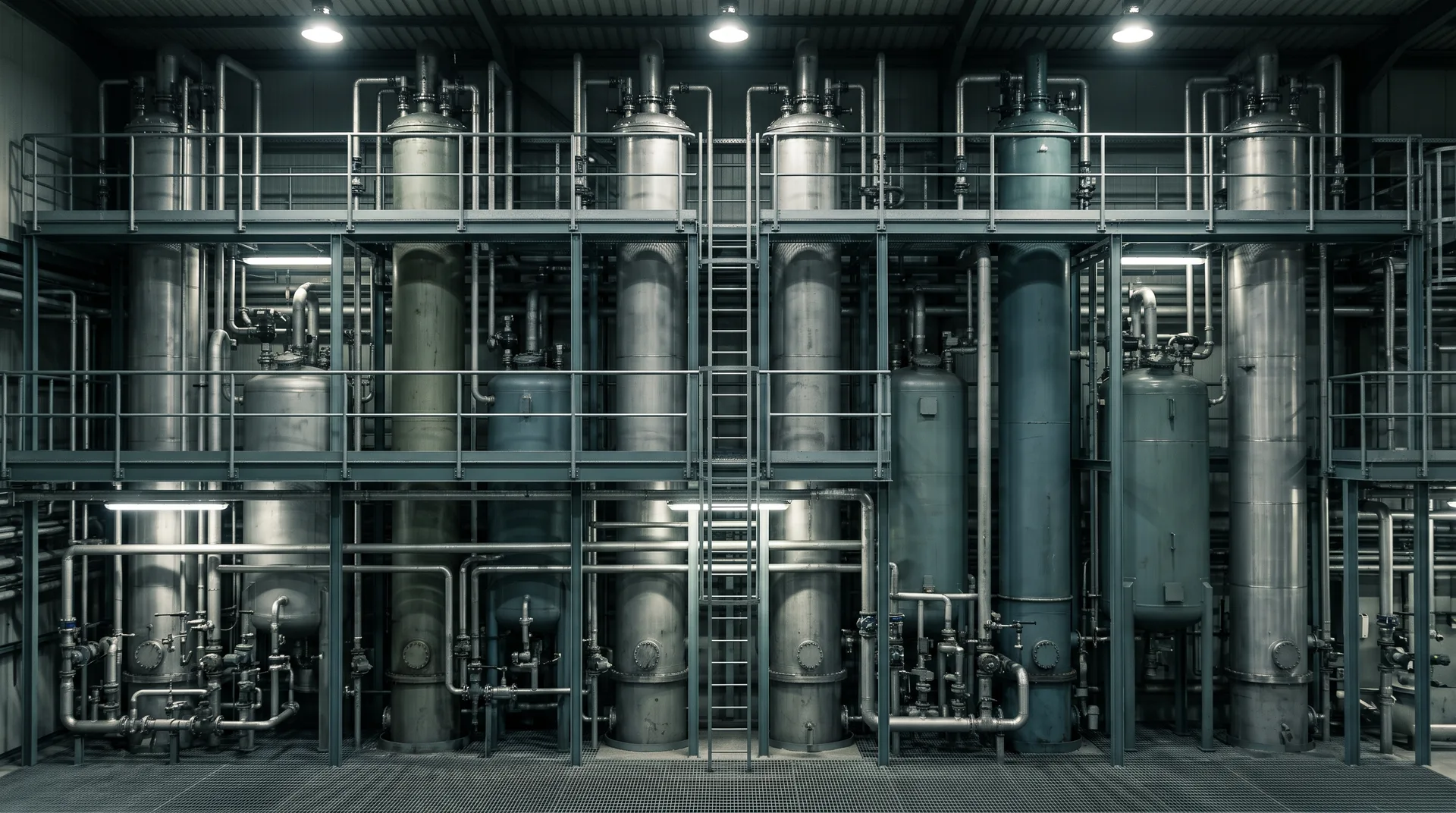
Framatome says that at Jarrie hafnium tetrachloride, a by-product of nuclear-grade zirconium production, is used to form electrolytic hafnium crystals refined into ultra-pure hafnium, primarily for aeronautic applications, and that the site's zirconium–hafnium separation uses extractive distillation.
The Mineral Commodity Summaries 2026 states that world primary hafnium production data and quantitative estimates of hafnium reserves were not available, and SCRREEN links the lack of data to hafnium's close association with zirconium production. SCRREEN gives world annual hafnium production from zirconium ores as about 71 tonnes in 2016, a figure it uses as the 2012–2016 average; the factsheet does not state the basis of that tonnage.
SCRREEN states that France is the world's major hafnium producer and the only one in the EU, and that in France hafnium is produced from zirconium dioxide, a semi-processed material made from zircon sand. SCRREEN, citing a market-research source, says France and the United States together accounted for more than 85% of global hafnium production in 2019.
In the United States, USGS counts producers of metal from zirconium chemical intermediates, by state: the Mineral Commodity Summaries 2026 reports that in 2025 zirconium and hafnium metal were produced from zirconium chemical intermediates by one producer in Oregon and one in Utah. ATI's 10-K for the fiscal year ended 28 December 2025 describes producing reactor-grade zirconium and hafnium alloys for nuclear plants, names the "primary source countries of raw materials" for zirconium and hafnium as "U.S. and China", and places its zirconium and hafnium production in Millersburg, Oregon and Huntsville, Alabama. Further back, USGS's 2020 Minerals Yearbook recorded that in 2020 zirconium and hafnium metals were produced in China, France, India, Russia and the United States.
Trade data show where the metal moves, which is not the same as where it is made. USGS's 2026 edition names China and Germany as the leading global exporters of unwrought hafnium in 2025, and gives the share of US imports of unwrought hafnium in 2021–24 as Germany 54%, China 21%, France 12%, United Kingdom 8% and other 5%.
Why doesn't the price alone add supply?
SCRREEN puts the mechanism plainly: because there is no other current way to produce hafnium, zirconium demand from the nuclear industry drives hafnium production.
The Mineral Commodity Summaries 2026, citing Argus Non-Ferrous Markets annual averages, gives the unwrought hafnium price as US$781/kg in 2021, US$1,590/kg in 2022, US$6,130/kg in 2023, US$4,560/kg in 2024 and an estimated US$3,800/kg in 2025. SCRREEN, citing Argus Media (2021), said that hafnium prices were then still rising, mainly because supply was not very flexible, replacement supply was not available and demand was high and increasing. SCRREEN also notes past reports relating hafnium's small, concentrated market to potential price peaks, including one line of reasoning that declining zirconium demand for nuclear rods after the Fukushima disaster reduced hafnium supply.
On this publication's reading, a higher hafnium price raises the value of what a zirconium refinery already separates without, by itself, making the refinery separate more, because the volume is set by the nuclear-grade zirconium it is making.
What sets demand
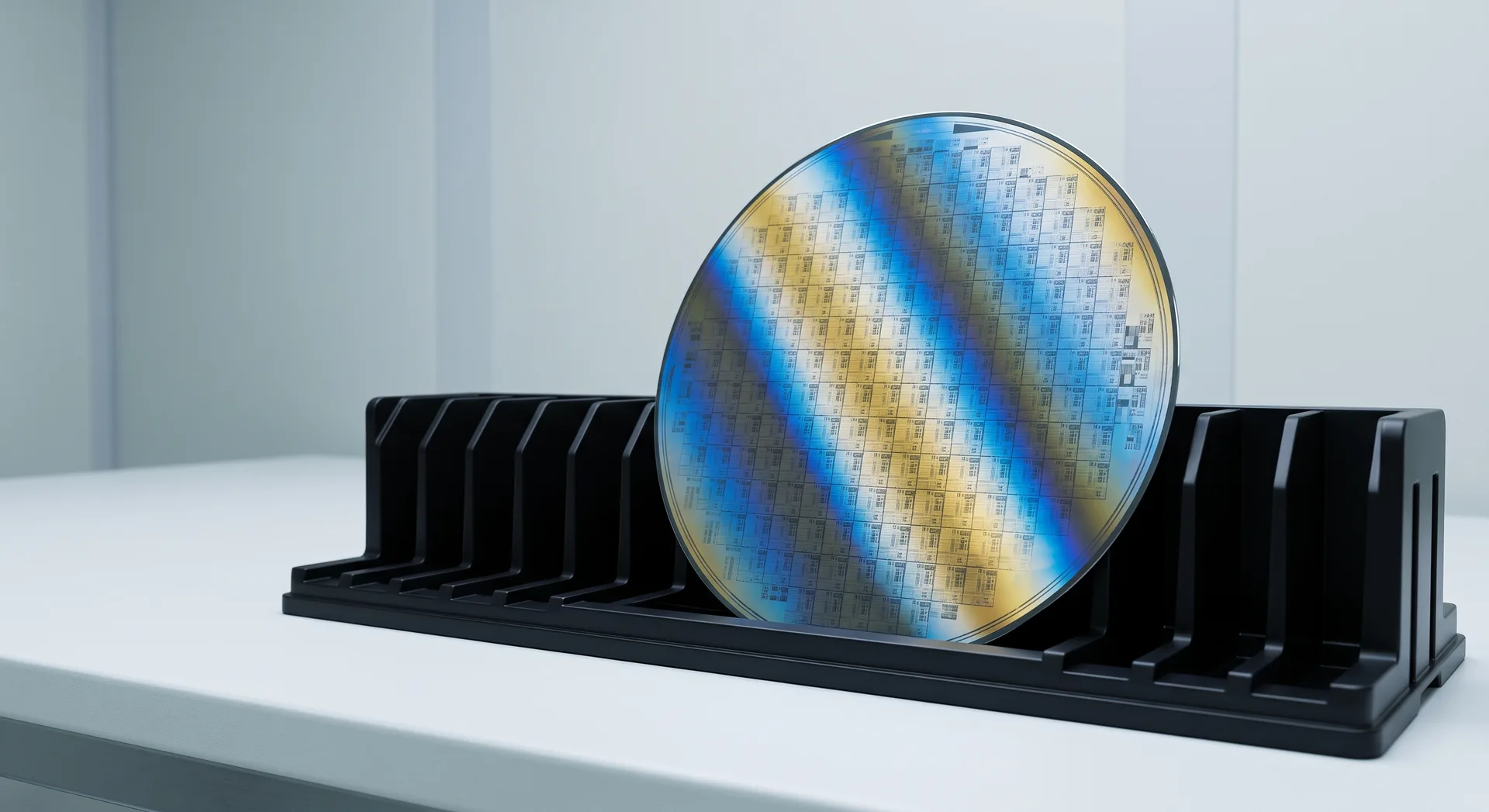
USGS's 2026 edition states that in the United States in 2025 the leading use of hafnium metal was in superalloys; Framatome, for its part, describes the ultra-pure hafnium from Jarrie as primarily for aeronautic applications. SCRREEN, citing Alkane Resources (2017), gives 2016 global hafnium end uses as superalloys 61%, nuclear control rods 11% and catalyst precursors 7%, three shares that do not account for every use. Among other uses, SCRREEN lists refractory ceramics, microchips and plasma-arc cutting nozzles, and it summarises a study noting hafnium oxide films' role in downscaling semiconductor devices. ATI's 10-K states that metal precursors using chemicals it produces, such as hafnium, have applications in consumer and industrial electronics.
USGS's 2026 edition also records that boron or cadmium-silver-indium alloys can substitute for hafnium in nuclear control rods, and zirconium can be used interchangeably with hafnium in certain superalloys.
Supply, demand and EU status
On this publication's reading, the nuclear industry therefore stands on both sides of the hafnium market, creating supply when it orders hafnium-free zirconium and buying hafnium for control rods.
As of 26 October 2026, the annexes of the EU's Critical Raw Materials Act, Regulation (EU) 2024/1252, list hafnium as a critical raw material (Annex II) and not as a strategic one (Annex I).
Related
- Processing Capacity — who separates hafnium from zirconium, and where
- Refining — the purification step that makes zirconium reactor-grade
- Processing Centres — the French and US plants named here
- Supply Chain Risk — what a by-product supply means for hafnium users
- Critical Mineral Strategies — hafnium's place on the EU lists
Sources
- PRIMARYU.S. Geological Survey, Jones, J.V. III, Piatak, N.M. and Bedinger, G.M., 'Zirconium and Hafnium', Chapter V of Critical Mineral Resources of the United States, Professional Paper 1802-V, 2017. Abstract, p. V1: nearly identical charge, ionic radii and ionic potentials. p. V2: separation for nuclear-grade uses because the two metals absorb neutrons differently; hafnium-free zirconium for reactor structures and cladding; hafnium in control rods; zirconium without hafnium separation used for non-nuclear applications. p. V14: the two elements nearly always occur together, hafnium in solid solution in zircon; almost identical atomic sizes; hafnium recovered as a by-product of zirconium extraction.
- PRIMARYU.S. Geological Survey, Mineral Commodity Summaries 2026, Zirconium and Hafnium (February 2026). p. 1: US zirconium and hafnium metal producers in Oregon and Utah, 2025; leading use of hafnium metal in superalloys; import sources of unwrought hafnium, 2021–24; Salient Statistics, unwrought hafnium price, 2021–2025 (estimated), US$ per kilogram, footnote citing Argus Non-Ferrous Markets annual averages. p. 2: leading exporters of unwrought hafnium; world primary hafnium production and reserves not available; world hafnium resources associated with zircon and baddeleyite; substitutes.
- SECONDARYSCRREEN2 project (EU Horizon 2020, grant 958211), 'Hafnium' factsheet, update of the EU 2020 factsheets (undated; sources to 2022). Hafnium produced only as a by-product of zirconium metal purification; nuclear zirconium demand drives hafnium production; world production about 71 t (2016, used as the 2012–2016 average); France the major producer and the only one in the EU; France and the United States more than 85% of 2019 production (citing a market-research source); production in France from zirconium dioxide; prices then rising (citing Argus Media, 2021); past reports on price peaks; 2016 end uses (citing Alkane Resources, 2017); other uses. An EU-funded project's factsheet, cited as SCRREEN's statement.
- PRIMARYFramatome, 'Jarrie' site page (undated). Hafnium tetrachloride from nuclear-grade zirconium production made into electrolytic hafnium crystals and ultra-pure hafnium, primarily for aeronautic applications; zirconium–hafnium separation by extractive distillation. The company's own description.
- PRIMARYU.S. Geological Survey, Gambogi, J. and Sangine, E.S., 'Zirconium and Hafnium' [Advance Release], 2020 Minerals Yearbook (February 2025). p. 3: countries producing zirconium and hafnium metals, 2020.
- PRIMARYATI Inc., Form 10-K for the fiscal year ended 28 December 2025 (SEC). pp. 6–7 and 10: reactor-grade zirconium and hafnium alloys; primary source countries of zirconium and hafnium raw materials; production locations; hafnium chemicals in electronics precursors. The company's own description.
- PRIMARYRegulation (EU) 2024/1252 of the European Parliament and of the Council of 11 April 2024 (Critical Raw Materials Act), Official Journal L series, 3.5.2024. Annex I (strategic raw materials) and Annex II, Section 1 (critical raw materials): hafnium.
- ANALYSISANALYSIS: this publication's reading that a higher hafnium price does not by itself raise the amount a zirconium refinery separates, because the volume is set by the nuclear-grade zirconium it makes; and that the nuclear industry stands on both the supply and the demand side of the hafnium market.Non-public document · no public URL