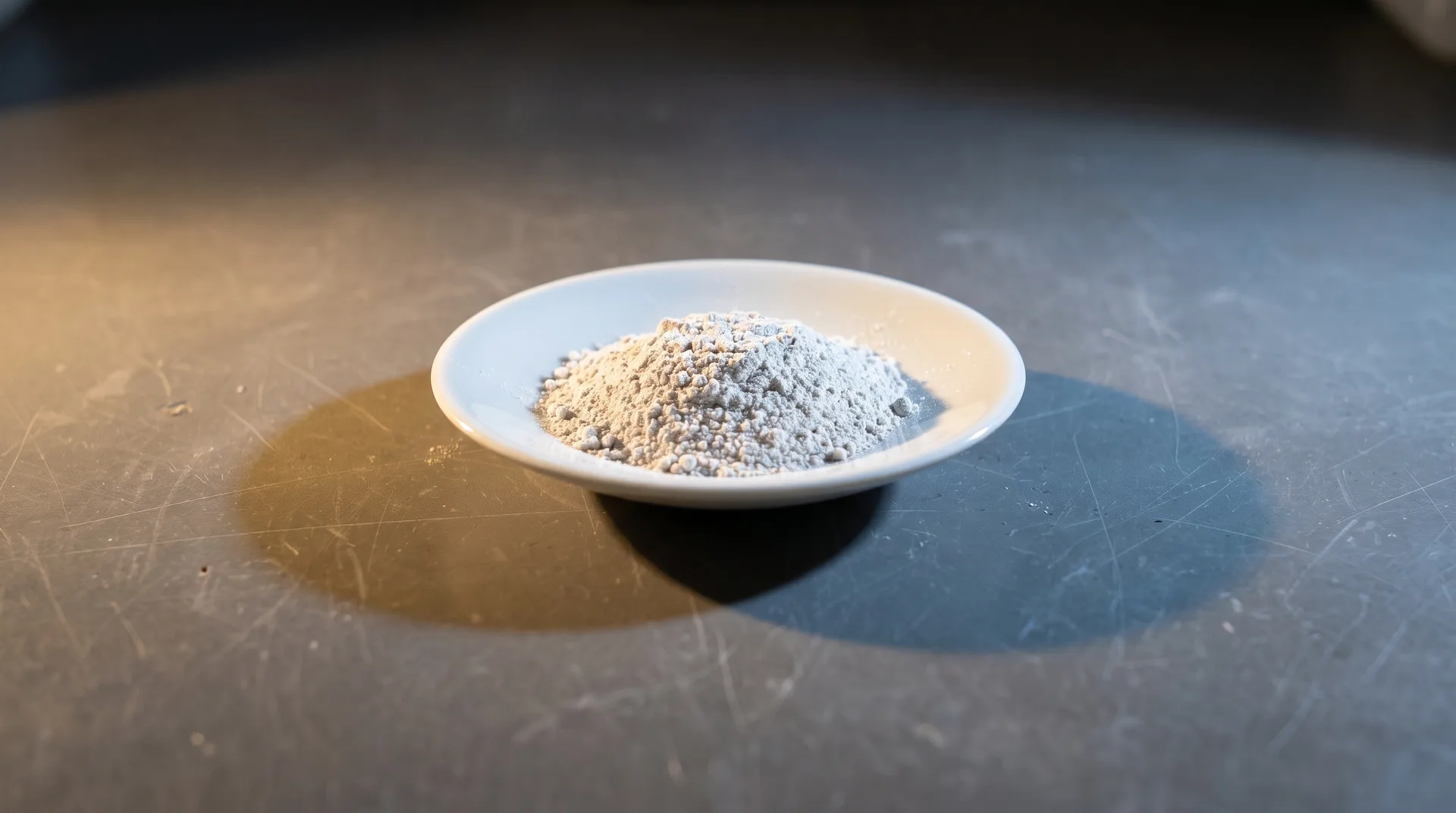
Minerals Hub / Geography & Supply Chains / Most titanium ends up as white pigment, not as metal
Geography & Supply Chains · Rutile · 5 min read
Most titanium ends up as white pigment, not as metal
Titanium travels from mineral grains to a chemical intermediate and, in the chloride route, forks there; on this publication's reading, each stage is a different product, often made in different places and counted on a different basis.
Reviewed by Peter Uppal
The short version
Titanium is mined as minerals such as ilmenite and rutile, and most of it ends up as titanium dioxide pigment rather than metal: the European Commission's 2023 criticality study says titanium in all forms is around 80% used as white pigment. In the chloride route the chain forks at titanium tetrachloride, which is either oxidised to pigment or reduced with magnesium or sodium to a porous metal called sponge. On this publication's reading, because each stage is a different substance reported on a different basis, a tonnage at one stage cannot be set beside a tonnage at another without first putting both on one basis.
From mineral grains to a chemical
The starting point is a handful of minerals. USGS names the titanium minerals of economic importance as ilmenite, rutile, and an alteration product of ilmenite and other minerals called leucoxene. USGS notes that ilmenite often is processed to produce a synthetic rutile or titanium slag.
The next step turns mineral into chemical. In the chloride process, natural rutile, synthetic rutile, chloride-grade ilmenite, or titanium slag is converted to TiCl₄ by chlorination in the presence of petroleum coke. There is a second road to pigment that skips that intermediate: in the sulphate process, ilmenite or titanium slag is reacted with sulphuric acid.
Where the chain forks
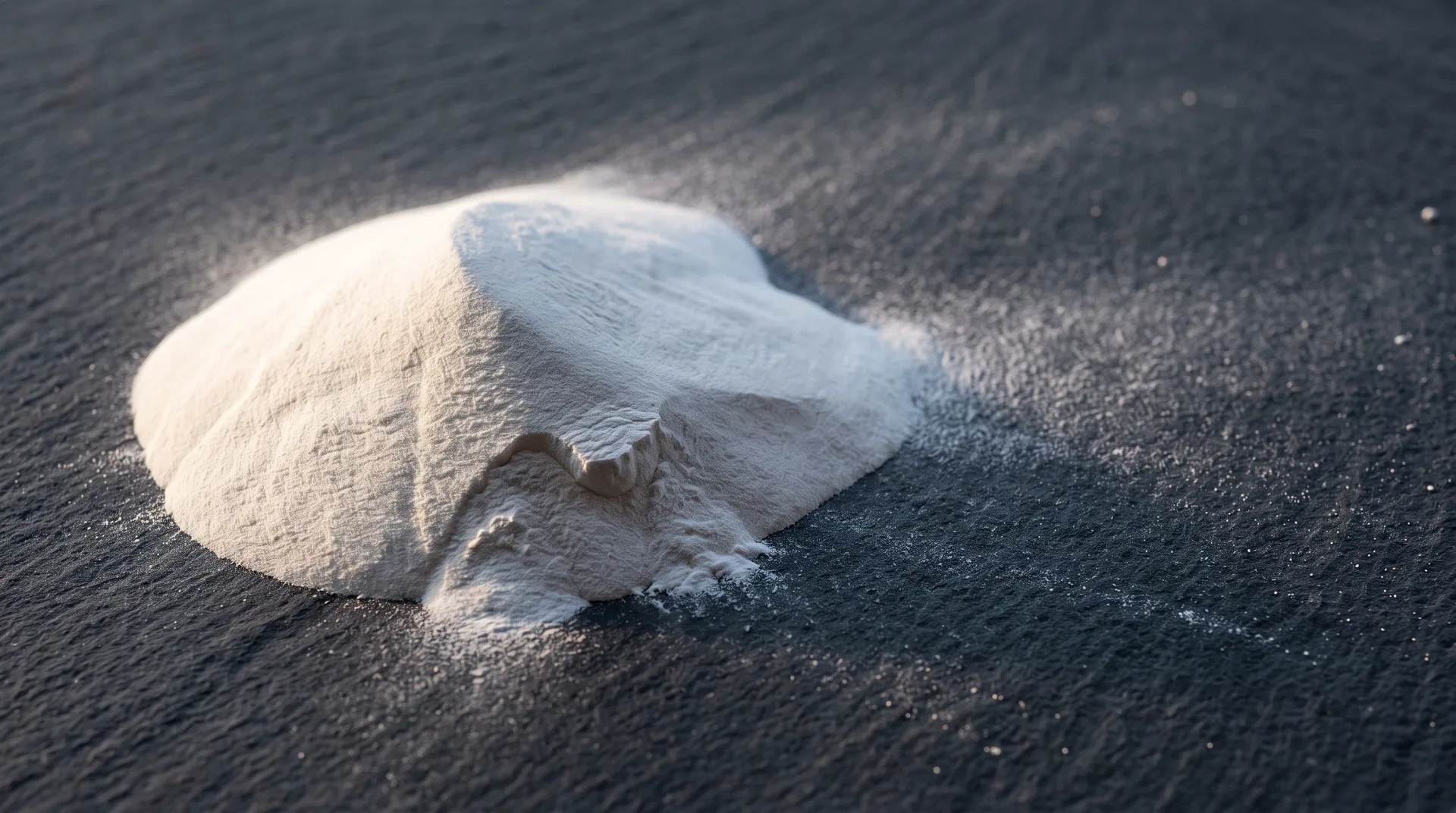
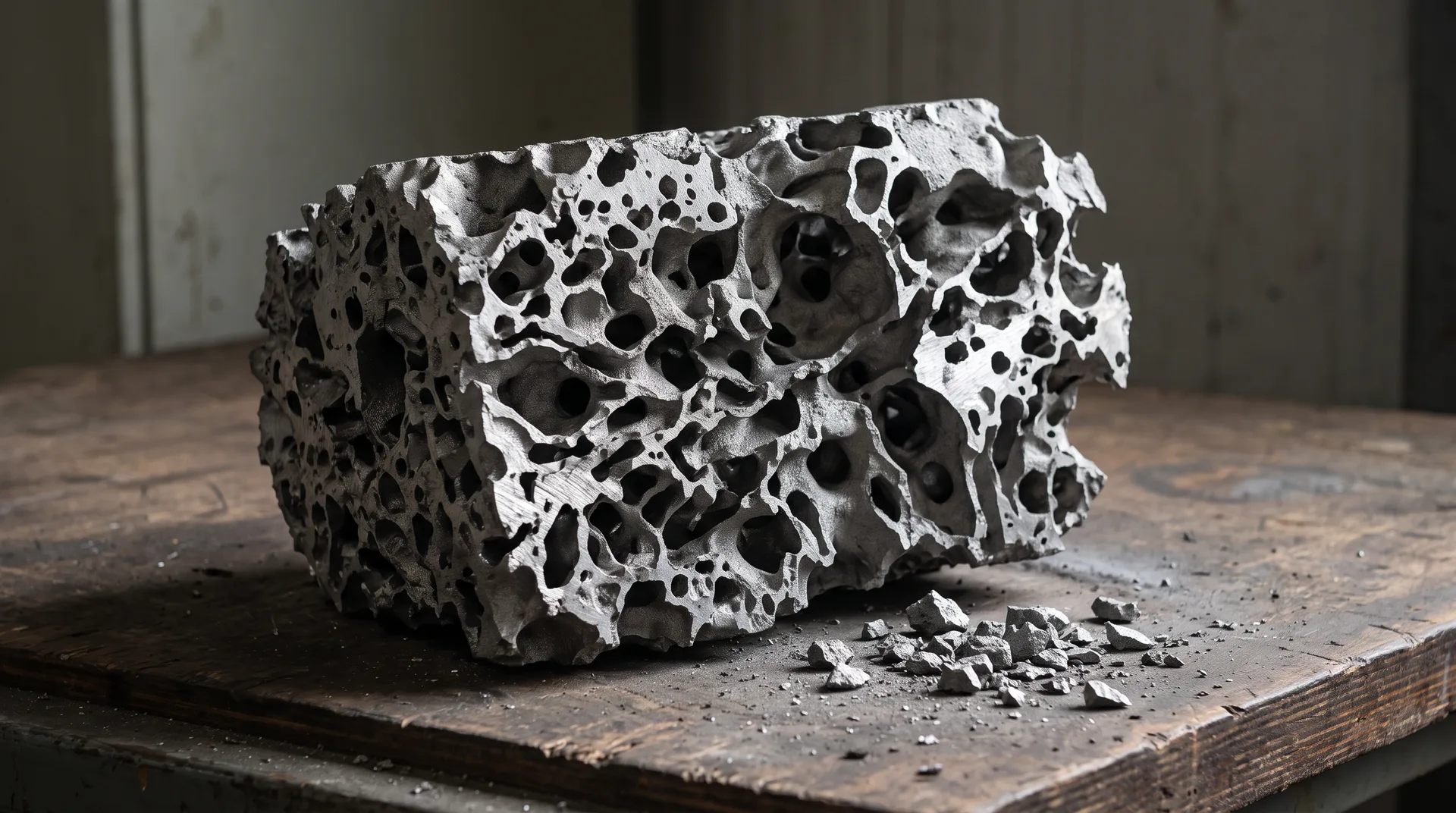
Titanium tetrachloride is where the chloride route divides. Down one branch, TiCl₄ is oxidised with air or oxygen at about 1,000 degrees Celsius, and the resulting TiO₂ is calcined: that is pigment. Down the other, titanium mineral concentrates are chlorinated to TiCl₄, which is reduced with magnesium (the Kroll process) or sodium (the Hunter process); the porous metal formed is called sponge. From sponge, titanium ingot and slab are produced by melting titanium sponge and (or) scrap, usually with other alloying elements, such as aluminium and vanadium.
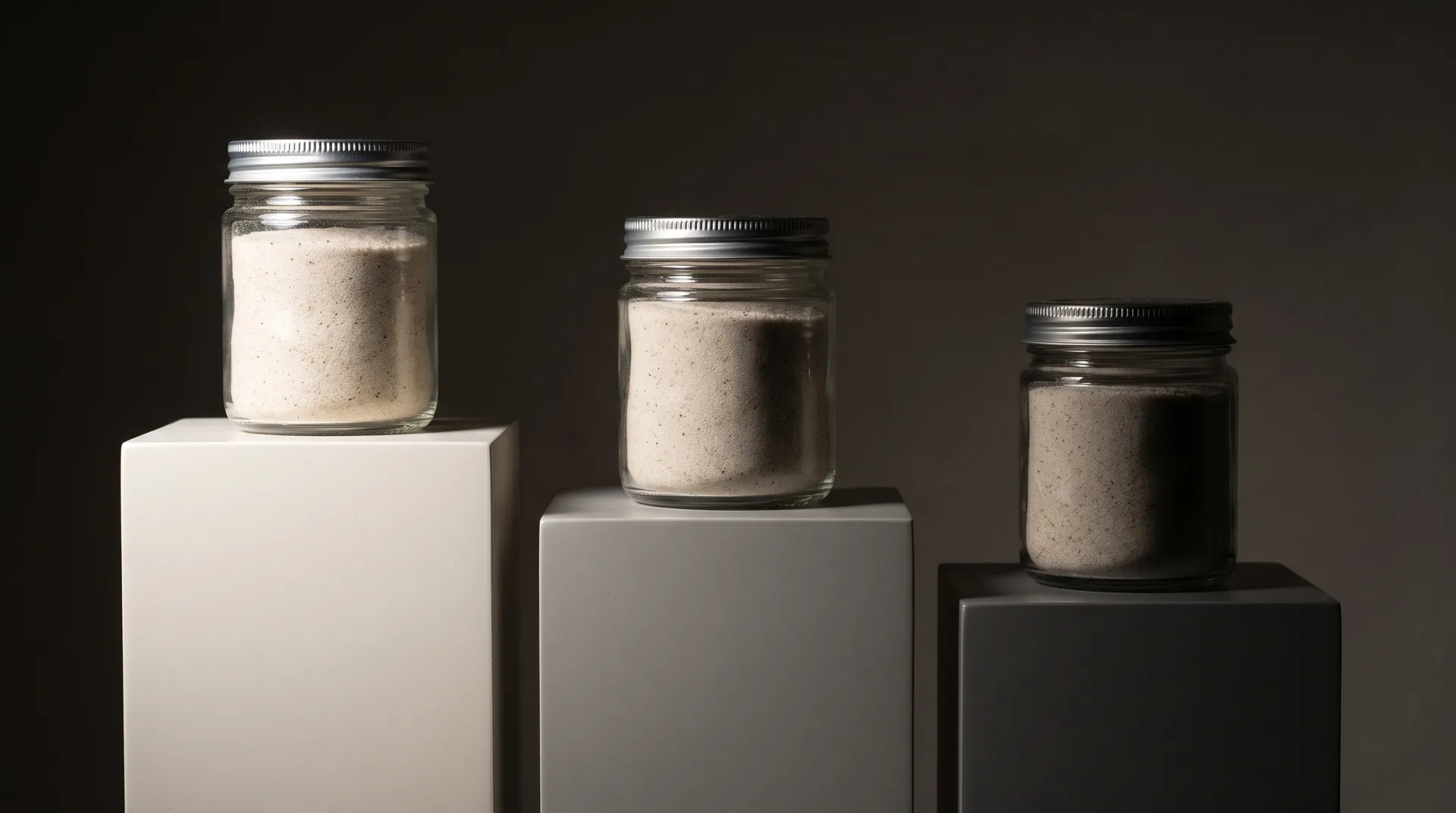
Which titanium do you mean: the mineral, the white powder, or the metal?
How much goes each way
Three sources give the split, each on its own basis. The Commission's 2023 study says titanium in all forms is around 80% used as white pigment. In the United States, the Mineral Commodity Summaries 2026 says more than 95% of titanium mineral concentrates were consumed by domestic TiO₂ pigment producers. For the world, the SCRREEN titanium factsheet, citing a 2022 study, says more than 95% of the world's titanium ore raw materials are used to produce TiO₂.
USGS's 2026 edition estimates world titanium sponge production at 370,000 t in 2025, against yearend operating capacity of 470,000 t. Its pigment figure is a capacity, not an output: an estimated 9,900,000 t of yearend operating capacity in 2025.
The EU's 2023 study, which found titanium overall not critical, assessed titanium metal as a specific and critical form of titanium, and titanium metal is the entry on both EU lists.
Each stage happens somewhere else
On this publication's reading, each step changes what the product is, from mineral grains to a chemical compound or a metal, so one element name can refer to physically different products made by different operators in different places.
The United States shows it within one border. USGS reports that the country did not produce titanium sponge metal in 2025, that the last domestic sponge plant closed in 2024, and that TiO₂ pigment was made by four companies operating five facilities in four States. USGS reports that, although heavily reliant on imports of titanium mineral concentrates, the United States was a net exporter of TiO₂ pigments. Its producers of titanium ingot and downstream products were reliant on imports of titanium sponge and scrap, with sponge imports an estimated 44,000 tonnes in 2025.
The EU's pattern is different again, and its figures are older. SCRREEN's January 2024 factsheet reports no current primary titanium ore mining nor titanium sponge (metal) production within the EU, and gives average EU import reliance for titanium in 2016–2020 as 100% at the extraction stage, 18% at the oxides-processing stage and 100% for titanium metal (sponge).
Why the stages do not add up
SCRREEN and USGS count each stage on its own basis. SCRREEN converts trade to titanium content with a separate factor for each form: 32% for ores and concentrates, 60% for titanium oxides, 54% for titanium slag and 100% for unwrought titanium. USGS's 2026 edition reports even the mine stage in oxide terms, estimating world production of ilmenite and rutile at a rounded 9,800 thousand t of TiO₂ content in 2025, while its sponge figures are tonnes of metal.
The gap is wide even on one basis. SCRREEN puts average EU apparent consumption at 456,539 t at the extraction stage, 425,694 t at the oxides-processing stage and 9,812 t as titanium metal, all in titanium content, as 2016–2020 averages. On this publication's arithmetic, the first is roughly 47 times the last. Those EU averages belong to 2016–2020 and are not comparable, year for year, with the USGS estimates for 2025.
Zircon and the rare earths run their own chains
Titanium is not the only element whose name hides several products. For zirconium, SCRREEN reports that approximately 75% of zirconium ore is directly used as zircon, the remaining is transformed in zirconium oxide and other chemicals, including zirconium metal. For the rare earths, SCRREEN describes a chain running from mining ores, through beneficiation into mineral concentrates, hydrometallurgical processing into mixed chemical concentrates, separating and refining into individual oxides, converting certain oxides into metals and forming alloys, to manufacturing some alloys into devices such as permanent magnets.
Related
- Processing Technology — how each conversion along the chain is carried out
- Refining — the chemical stages between a concentrate and a product
- Countries — where each stage of a chain sits
- Supply Chain Risk — dependence measured one stage at a time
- Strategic Stockpiles — which form of a material a stockpile holds
Sources
- PRIMARYU.S. Geological Survey, 2022 Minerals Yearbook, Titanium [Advance Release], released August 2025. p. 79.1: titanium minerals of economic importance (ilmenite, rutile, leucoxene); ilmenite often processed to synthetic rutile or titanium slag; chloride process (chlorination to TiCl₄, oxidation at about 1,000 °C). p. 79.2: sulphate process; metal by reduction of TiCl₄ with magnesium (Kroll) or sodium (Hunter) to sponge; ingot and slab from sponge and (or) scrap, usually with alloying elements.
- PRIMARYU.S. Geological Survey, Mineral Commodity Summaries 2026, Titanium Mineral Concentrates (February 2026, current edition). Domestic Production and Use: more than 95% of titanium mineral concentrates consumed by domestic TiO₂ pigment producers. World Mine Production table: world total (ilmenite and rutile, rounded), estimated, in thousand metric tons of TiO₂ content.
- PRIMARYU.S. Geological Survey, Mineral Commodity Summaries 2026, Titanium and Titanium Dioxide (February 2026, current edition). Domestic Production and Use: no US sponge production in 2025, last domestic sponge plant closed in 2024, TiO₂ pigment made by four companies at five facilities. Events, Trends, and Issues: net exporter of TiO₂ pigments though reliant on imported concentrates; ingot and downstream producers reliant on imported sponge and scrap, sponge imports an estimated 44,000 tons in 2025. World table: sponge production (estimated) and yearend operating capacity for sponge and pigment, 2025.
- PRIMARYEuropean Commission (Grohol, M. and Veeh, C., DG GROW), Study on the Critical Raw Materials for the EU 2023: Final Report, 2023. p. 3: titanium in all forms, around 80% used as white pigment, not critical. p. 39, Table 13: titanium metal assessed as a specific and critical form of titanium.
- PRIMARYRegulation (EU) 2024/1252 of the European Parliament and of the Council of 11 April 2024 (Critical Raw Materials Act), Official Journal L series, 3.5.2024, EUR-Lex HTML of the OJ text. Annex I, Section 1, entry (p) and Annex II, Section 1, entry (af): 'titanium metal'.
- PRIMARYSCRREEN2 Factsheet, Titanium (V1, uploaded January 2024; data period 2016–2020). p. 23: no current primary titanium ore mining nor sponge production within the EU. p. 18 and Tables 1–3: average EU import reliance and apparent consumption, 2016–2020, extraction, oxides processing and metal, in Ti content (basis for Tables 1 and 2 from figure captions 3, 21 and 22). Figure captions, pp. 10–14: Ti-content conversion factors (32% ores and concentrates, 60% titanium oxides, 54% titanium slag, 100% unwrought titanium).
- SECONDARYSCRREEN2 Factsheet, Titanium (V1, uploaded January 2024), citing Hu et al. (2022): 'More than 95% of the world's titanium ore raw materials are used to produce TiO₂.' A factsheet reporting another study's figure, so tagged SECONDARY.
- PRIMARYSCRREEN2 Factsheet, Zirconium (update, uploaded December 2023). p. 3: approximately 75% of zirconium ore used directly as zircon, the remainder transformed into zirconium oxide and other chemicals, including zirconium metal.
- PRIMARYSCRREEN2 Factsheet, Rare Earth Elements (REE-EUROSTAT, uploaded August 2023). p. 45: the rare-earth value chain, from mining to devices such as permanent magnets, in seven listed steps.
- ANALYSISANALYSIS: the framing that each processing step changes what the product is, so one element name can refer to physically different products made by different operators in different places; and the ratio of SCRREEN's EU titanium consumption at the extraction stage to consumption as metal (456,539 / 9,812, about 47-fold, both Ti content, 2016–2020 averages), computed by this publication.Non-public document · no public URL